
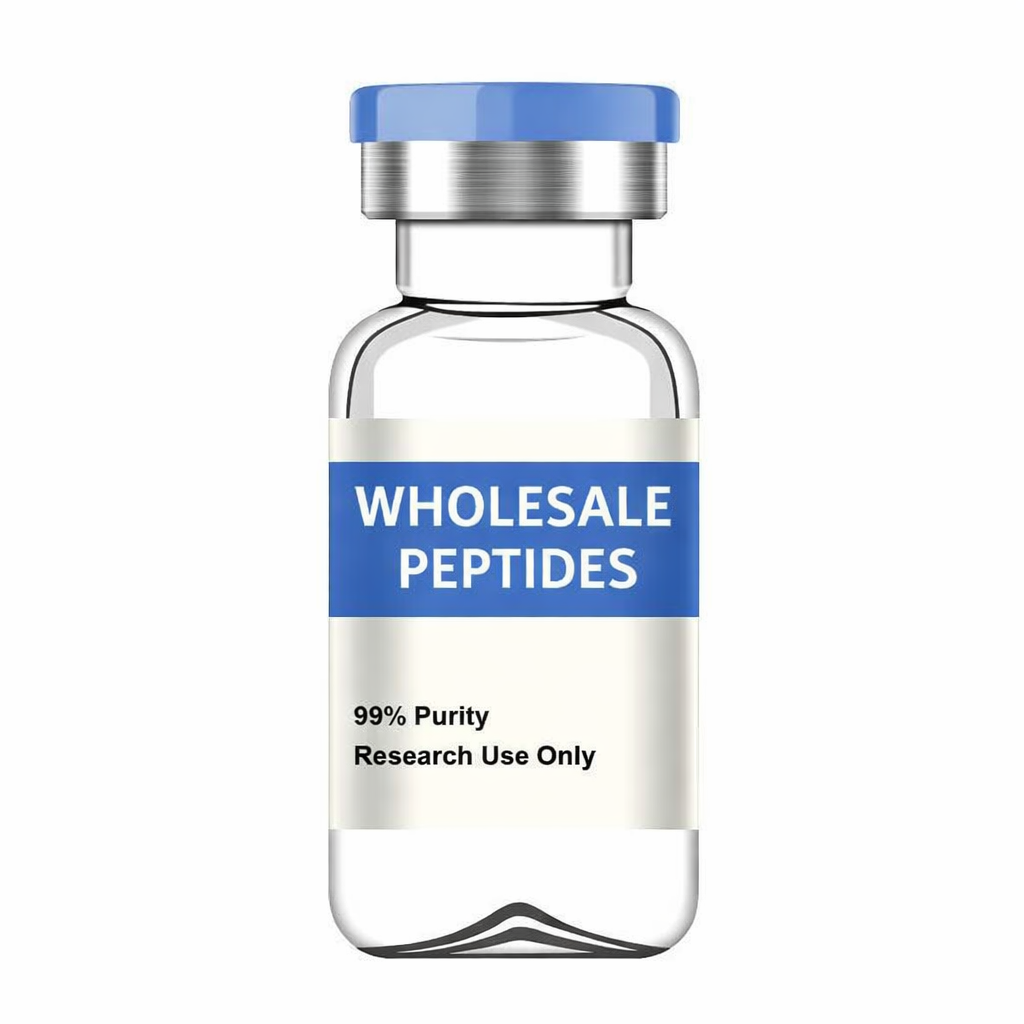
PT 141 10mg
PT 141 10mg is a research formulation associated with PT-141 peptide, also known as bremelanotide. PT-141 is a synthetic melanocortin receptor agonist that has been investigated for its effects on melanocortin signalling and sexual-function pathways.
The compound has attracted scientific interest because its activity differs from conventional hormone-based approaches. Rather than acting directly as a testosterone or estrogen replacement, PT-141 peptide interacts with melanocortin receptors involved in central nervous system signalling.
This page provides educational information about PT 141 10mg, its pharmacology, melanocortin receptor activity, research background, and important safety considerations.
What Is PT 141 Peptide?
PT 141 peptide is the common name used for bremelanotide, a synthetic peptide analogue related to the melanocortin system.
PT-141 is structurally related to melanocortin peptides and has activity at several melanocortin receptors, including MC3R and MC4R. Its pharmacological profile has made it an important subject of research into sexual-function pathways and central melanocortin signalling.
Unlike melanotan-related compounds that are primarily discussed in connection with pigmentation, PT-141 research has focused more heavily on melanocortin signalling within the central nervous system.
What Is PT 141 10mg?
PT 141 10mg refers to a product presentation containing a stated 10mg amount of PT-141 peptide.
The 10mg designation describes the stated quantity associated with the product and should not be interpreted as a recommended clinical dose.
Researchers evaluating peptide materials should distinguish between total product quantity, concentration, formulation, purity, and intended use.
How Does PT-141 Work?
PT-141 interacts with melanocortin receptors in the body.
The melanocortin system is involved in several physiological processes, including:
- Neural signalling
- Sexual-function pathways
- Appetite regulation
- Energy balance
- Pigmentation
- Endocrine signalling
PT-141’s effects are associated particularly with melanocortin receptor pathways in the central nervous system.
This makes the PT 141 peptide an interesting compound for research into the relationship between melanocortin signalling and physiological behaviour.
PT-141 and Melanocortin Receptors
Melanocortin receptors belong to the G-protein-coupled receptor family.
Five major melanocortin receptors are commonly identified:
- MC1R
- MC2R
- MC3R
- MC4R
- MC5R
Different receptors have different distributions and biological roles.
PT-141 has been investigated primarily in relation to MC3R and MC4R activity. These receptors are particularly relevant to research involving central nervous system signalling, appetite, energy balance, and sexual behaviour.
PT 141 Peptide and Sexual-Function Research
One of the most significant areas of PT-141 research involves sexual-function pathways.
Research has investigated whether activation of melanocortin receptors can influence sexual motivation and physiological responses through central nervous system mechanisms.
This is different from testosterone-based approaches, which primarily involve androgen signalling.
The distinction between these mechanisms is important when researching PT-141 peptide and related melanocortin compounds.
PT-141 vs Hormonal Approaches
PT-141 works through melanocortin receptor signalling rather than directly replacing a sex hormone.
For example:
| Compound/pathway | Primary biological pathway |
|---|---|
| PT-141 | Melanocortin receptor signalling |
| Testosterone | Androgen receptor signalling |
| Estrogen | Estrogen receptor signalling |
| GnRH | Reproductive endocrine signalling |
This difference makes PT-141 relevant to research investigating central neural mechanisms rather than simply circulating hormone concentrations.
PT-141 and the Central Nervous System
The melanocortin system is widely distributed throughout the central nervous system.
Melanocortin receptors participate in signalling pathways associated with:
- Motivation
- Appetite
- Energy balance
- Sexual behaviour
- Autonomic regulation
- Neuroendocrine function
PT-141 research therefore extends beyond reproductive biology and includes broader investigations into melanocortin neurobiology.
PT-141 and Appetite Research
Melanocortin pathways have important roles in regulating energy balance and appetite.
MC3R and MC4R signalling is involved in neural pathways that communicate information about nutritional status and energy availability.
Because PT-141 interacts with melanocortin receptors, researchers have investigated its pharmacological effects within this broader signalling system.
This does not mean that PT-141 should be represented as a weight-management treatment.
PT-141 and Melanocortin Research
The melanocortin system provides an important link between peptide signalling, neural pathways, endocrine regulation, and physiological behaviour.
Research involving PT-141 can therefore contribute to studies of:
- Melanocortin receptor pharmacology
- Central nervous system signalling
- MC3R activity
- MC4R activity
- Neuroendocrinology
- Sexual-function pathways
- Appetite signalling
- Energy regulation
- Peptide receptor interactions
PT-141 vs Melanotan II
PT-141 and melanotan II are related to the melanocortin peptide family, but they should not be treated as identical compounds.
Both interact with melanocortin receptors, while their research profiles and pharmacological applications differ.
PT-141 is particularly associated with research into central melanocortin signalling and sexual-function pathways.
Melanotan II has historically received more attention in research involving pigmentation and melanogenesis.
Understanding these differences is useful when comparing melanocortin peptides.
PT 141 10mg Research Considerations
When evaluating a PT-141 peptide research material, researchers may consider:
- Peptide identity
- Stated quantity
- Purity
- Sequence information
- Batch identification
- Analytical testing
- Manufacturing information
- Packaging integrity
- Storage conditions
- Regulatory status
A product page alone cannot establish the identity, purity, sterility, or suitability of a research compound.
Analytical documentation and appropriate laboratory procedures are therefore important when evaluating peptide materials.
PT-141 Storage and Handling
Storage requirements depend on the specific formulation and manufacturer’s documentation.
Researchers should follow the storage conditions provided for the specific product and batch.
Important considerations can include:
- Temperature
- Moisture
- Light exposure
- Packaging integrity
- Stability information
- Expiry information
- Laboratory handling procedures
Avoid relying on generic storage information when specific manufacturer instructions are available.
PT-141 Safety Information
PT-141 is a pharmacologically active melanocortin receptor agonist and should not be treated as an ordinary nutritional supplement.
Approved pharmaceutical bremelanotide products have specific prescribing information, contraindications, warnings, and adverse effects.
Known adverse effects associated with pharmaceutical bremelanotide include nausea, flushing, headache, injection-site reactions, and temporary increases in blood pressure. The prescribing information also contains important cardiovascular warnings and contraindications.
These considerations demonstrate why PT-141 should be evaluated as a pharmacologically active compound rather than a conventional supplement.
PT-141 Regulatory Status
Bremelanotide is an approved prescription medicine in the United States under the brand name Vyleesi for a specific indication involving acquired, generalized hypoactive sexual desire disorder in certain premenopausal women.
This regulatory approval applies to the approved pharmaceutical product and its specific indication. It should not automatically be extended to every product marketed as PT-141 peptide or PT 141 10mg.
Research products may have different manufacturing standards, regulatory classifications, formulations, and intended uses.
Frequently Asked Questions
What is PT 141 10mg?
PT 141 10mg refers to a product presentation containing a stated 10mg amount of PT-141 peptide, also known as bremelanotide.
What is PT 141 peptide?
PT 141 peptide is a common name for bremelanotide, a synthetic melanocortin receptor agonist studied for its effects on central melanocortin signalling.
Is PT-141 the same as bremelanotide?
Yes. PT-141 is commonly used as a development or research name for bremelanotide.
How does PT-141 work?
PT-141 acts through melanocortin receptor pathways, particularly signalling involving MC3R and MC4R.
What are melanocortin receptors?
Melanocortin receptors are a family of G-protein-coupled receptors involved in processes including pigmentation, energy balance, endocrine signalling, and central nervous system function.
Is PT-141 a testosterone product?
No. PT-141 does not function as a testosterone replacement compound. Its primary pharmacological activity involves melanocortin receptor signalling.
Is PT-141 the same as Melanotan II?
No. They are different melanocortin-related compounds with different research profiles and pharmacological characteristics.
What does 10mg mean?
The 10mg designation describes the stated quantity of PT-141 associated with a particular product presentation. It should not be interpreted as an individualized treatment dose.
Is PT-141 approved?
Bremelanotide is approved as a prescription medicine in the United States for a specific medical indication. Research formulations should not automatically be considered equivalent to an approved pharmaceutical product.
What research areas involve PT-141?
PT-141 is studied in melanocortin receptor pharmacology, neuroendocrinology, central nervous system signalling, sexual-function research, appetite pathways, and energy-balance research.
Related PT-141 Search Terms
For broader organic-search coverage, useful related terms include:
- PT 141 10mg
- PT 141 peptide
- PT-141 peptide
- PT141
- Bremelanotide
- Bremelanotide peptide
- PT-141 research
- PT-141 information
- Melanocortin peptide
- Melanocortin receptor
- MC3R
- MC4R
- PT-141 vs Melanotan II
- PT-141 and melanocortin receptors
- Sexual-function research
- Neuroendocrine peptide research
Important Information
PT 141 10mg and PT-141 peptide are discussed here for educational and research-information purposes. This content does not provide dosing or administration instructions and is not medical advice.
Bremelanotide is a pharmacologically active compound with specific medical indications, contraindications, warnings, and regulatory requirements. Research formulations should not automatically be represented as approved medicines. Anyone seeking treatment for a medical or sexual-health condition should consult an appropriately qualified healthcare professional.
pt 141,
pt141,
pt-141,
pt 141 peptide,
bremelanotide,
vyleesi,
pt 141 nasal spray,
pt-141 peptide,
pt141 peptide,
pt 141 dosage,
pt-141 nasal spray,
pt 141 uk,
pt-141,
pt141 uk,
bremelanotide uk,
peptide 141.
Related products
Longevity & Cellular Health
Performance & Muscle Building
GLP-1 / Weight Loss
Performance & Muscle Building
Performance & Muscle Building
GLP-1 / Weight Loss
Recovery & Wellness
Recovery & Wellness