
MY BLOG POST
Wegovy Side Effects: Common Reactions, Risks & Safety Guide

Sep
Introduction
Wegovy side effects are an important consideration for anyone researching semaglutide-based weight-management treatment. Wegovy contains semaglutide, a GLP-1 receptor agonist that works on appetite and metabolic pathways involved in body-weight regulation.
Like other prescription medicines, Wegovy can cause adverse reactions. Some are relatively common and tend to involve the digestive system, while others are less common but may require prompt medical attention.
Understanding how Wegovy works, what reactions may occur and which symptoms require professional attention can help readers make more informed decisions.
Important: This article is for educational purposes and is not a substitute for advice from a qualified healthcare professional.
What Is Wegovy?
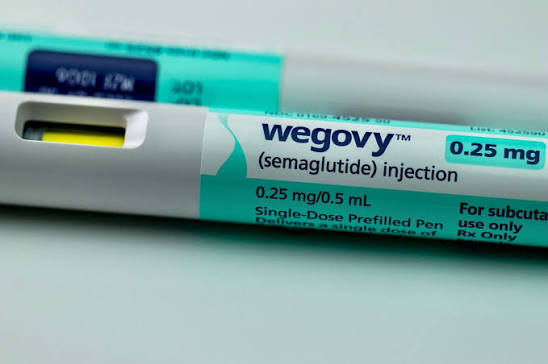
Wegovy is a prescription medicine containing semaglutide. It is used alongside a reduced-calorie diet and increased physical activity for certain people with obesity or overweight and related health conditions.
Semaglutide belongs to a class of medicines called GLP-1 receptor agonists.
The medication works by mimicking the activity of a naturally occurring hormone called glucagon-like peptide-1.
GLP-1 plays several roles in the body, including influencing appetite, food intake and blood-glucose regulation.
How Does Semaglutide Work?
Semaglutide activates GLP-1 receptors.
This can affect areas of the brain involved in appetite regulation and can also influence gastrointestinal processes.
As a result, people taking Wegovy may experience reduced appetite and increased feelings of fullness.
These effects can contribute to reduced calorie intake and weight loss when the medicine is used as prescribed.
Why Can Wegovy Cause Side Effects?
The same biological pathways responsible for some of the medication’s effects can also contribute to unwanted reactions.
For example, changes in gastrointestinal activity can lead to symptoms such as nausea, constipation or diarrhea.
The likelihood of experiencing certain reactions may also vary depending on the individual, treatment stage and dose.
This is one reason healthcare professionals generally follow a structured treatment plan and monitor patients during therapy.

Common Reactions
The most frequently reported adverse reactions involve the digestive system.
Commonly reported symptoms include:
-
Nausea
-
Diarrhea
-
Vomiting
-
Constipation
-
Abdominal pain
-
Headache
-
Fatigue
-
Indigestion
-
Bloating
-
Belching
Not everyone experiences these symptoms, and their severity can differ from one person to another.
Nausea
Nausea is one of the most commonly reported reactions.
It may be particularly noticeable when treatment begins or when the prescribed amount is increased.
Persistent or severe nausea should be discussed with a healthcare professional, particularly if it interferes with eating or drinking.
Diarrhea
Diarrhea can occur during treatment.
Frequent diarrhea may contribute to fluid loss, so persistent symptoms should not be ignored.
People experiencing significant fluid loss or symptoms of dehydration should seek appropriate medical advice.
Constipation
Constipation is another commonly reported reaction.
Changes in gastrointestinal activity can affect bowel movements.
Persistent constipation, particularly when accompanied by severe abdominal pain or vomiting, should be discussed with a healthcare professional.
Vomiting
Some patients may experience vomiting.
Repeated vomiting can lead to dehydration and may require medical evaluation, especially when accompanied by severe abdominal pain or an inability to keep fluids down.
Abdominal Pain and Digestive Changes
Abdominal discomfort can occur during treatment.
Digestive symptoms may range from mild discomfort to more significant problems.
Severe or persistent abdominal pain should receive medical attention because abdominal symptoms can sometimes indicate a more serious condition.
It is important not to assume that every episode of abdominal pain is simply a routine medication reaction.
Less Common but Important Risks
Most reported reactions are gastrointestinal, but there are other potential risks that patients should understand.
These include:
-
Pancreatitis
-
Gallbladder problems
-
Kidney injury associated with dehydration
-
Serious gastrointestinal reactions
-
Hypersensitivity reactions
-
Increased heart rate
-
Hypoglycemia when combined with certain diabetes medicines
The likelihood and significance of these events can depend on individual circumstances.
Pancreatitis
Pancreatitis refers to inflammation of the pancreas.
Severe and persistent abdominal pain, sometimes extending toward the back, can be a warning sign.
Patients experiencing symptoms that could indicate pancreatitis should seek urgent medical evaluation.
A healthcare professional can determine whether the symptoms are related to pancreatitis or another condition.
Gallbladder Problems
Treatment with semaglutide has been associated with gallbladder-related problems, including gallstones and inflammation of the gallbladder.
Symptoms can include:
-
Upper abdominal pain
-
Fever
-
Nausea
-
Vomiting
-
Pain that may occur after eating
Persistent or severe symptoms should be medically assessed.
Why Can Weight Loss Affect the Gallbladder?
Rapid weight loss itself can increase the risk of certain gallbladder problems.
Therefore, researchers and healthcare professionals consider both the medicine and changes in body weight when evaluating gallbladder-related events.
Kidney-Related Concerns
Vomiting and diarrhea can cause substantial fluid loss.
Dehydration can place additional stress on the kidneys and, in some circumstances, contribute to acute kidney injury.
Maintaining appropriate hydration is therefore important, particularly when gastrointestinal symptoms are significant.
People with persistent vomiting or diarrhea should contact a healthcare professional for guidance.
Serious Allergic Reactions
Although uncommon, serious hypersensitivity reactions can occur with medicines.
Warning signs can include:
-
Swelling of the face or throat
-
Difficulty breathing
-
Severe rash
-
Dizziness
-
Fainting
These symptoms can represent a medical emergency and require immediate attention.

Thyroid Tumor Warning
Wegovy carries a boxed warning concerning the potential risk of thyroid C-cell tumors.
In animal studies, semaglutide caused thyroid C-cell tumors at clinically relevant exposures, although it is not known whether the medicine causes these tumors in humans.
Because of this warning, Wegovy is contraindicated in people with a personal or family history of medullary thyroid carcinoma or in people with Multiple Endocrine Neoplasia syndrome type 2.
Patients should discuss their medical and family history with their healthcare professional before treatment.
Symptoms That Need Medical Evaluation
Potential warning signs can include:
-
A lump or swelling in the neck
-
Persistent hoarseness
-
Difficulty swallowing
-
Difficulty breathing
These symptoms can have many possible causes and do not necessarily indicate thyroid cancer, but they should be evaluated by a healthcare professional.
Hypoglycemia and Diabetes Medicines
Wegovy can affect blood-glucose levels.
The risk of hypoglycemia may be greater when semaglutide is used alongside certain diabetes medicines, particularly insulin or insulin secretagogues.
Possible symptoms of low blood glucose include:
-
Shaking
-
Sweating
-
Hunger
-
Confusion
-
Weakness
-
Dizziness
-
Rapid heartbeat
People taking diabetes medication should discuss potential interactions and glucose monitoring with their healthcare professional.
Wegovy and Other Medicines
Patients should tell their healthcare professional about all prescription medicines, over-the-counter products and supplements they use.
Semaglutide can affect gastric emptying, which may influence the absorption of some orally administered medicines.
This is particularly important for medicines with a narrow therapeutic index or those requiring careful monitoring.
Can Everyone Take Wegovy?
No.
Wegovy is not appropriate for everyone.
Healthcare professionals consider factors such as:
-
Medical history
-
Current medicines
-
Family history
-
Previous reactions to medicines
-
Pregnancy
-
Existing gastrointestinal conditions
-
Diabetes treatment
-
Other health conditions
The prescribing information should always be reviewed before treatment begins.
Wegovy During Pregnancy
Weight loss is not recommended during pregnancy.
Patients who are pregnant, planning pregnancy or who become pregnant while using Wegovy should discuss the situation with their healthcare professional.
Anyone considering treatment should disclose pregnancy plans before starting prescription weight-management therapy.
How Long Do Side Effects Last?
The duration of adverse reactions can vary.
Some people experience symptoms temporarily, particularly during treatment initiation or changes in the prescribed amount.
Others may experience symptoms for longer.
There is no single timeline that applies to everyone.
Persistent, severe or worsening symptoms should be discussed with a healthcare professional rather than simply being assumed to be a normal part of treatment.
Can Side Effects Be Reduced?
Patients should follow their prescribed treatment plan and discuss troublesome reactions with their healthcare professional.
Healthcare professionals may consider factors such as:
-
Treatment progression
-
Individual tolerability
-
Other medications
-
Dietary habits
-
Hydration
-
Existing medical conditions
Patients should not independently change their prescribed amount or treatment schedule.
Wegovy and Lifestyle Changes
Prescription weight-management treatment is generally used alongside lifestyle measures.
These may include:
-
A balanced eating pattern
-
Appropriate physical activity
-
Adequate hydration
-
Regular sleep
-
Behavioural changes
-
Ongoing healthcare support
Medication is not a substitute for healthy lifestyle habits.
A comprehensive approach can help address several factors associated with weight management.
What Should You Do If a Reaction Occurs?
The appropriate response depends on the severity and type of symptom.
Mild symptoms can sometimes be discussed during a routine appointment.
Severe or rapidly worsening symptoms may require urgent medical attention.
Seek urgent help for symptoms such as:
-
Severe persistent abdominal pain
-
Difficulty breathing
-
Swelling of the face or throat
-
Fainting
-
Severe dehydration
-
Persistent vomiting
-
Other serious or rapidly worsening symptoms
When in doubt, contacting a qualified healthcare professional is safer than attempting to diagnose the cause independently.
Frequently Asked Questions
What are the most common Wegovy side effects?
The most commonly reported reactions include nausea, diarrhea, vomiting, constipation and abdominal pain. Headache, fatigue and indigestion can also occur.
Why does Wegovy cause nausea?
Semaglutide affects GLP-1 receptors and gastrointestinal processes. These effects can contribute to nausea, particularly during treatment initiation or dose increases.
Can Wegovy cause constipation?
Yes. Constipation is among the reported gastrointestinal reactions associated with Wegovy.
Can Wegovy cause diarrhea?
Yes. Diarrhea is another commonly reported gastrointestinal reaction.
Can Wegovy cause vomiting?
Yes. Vomiting has been reported during treatment. Persistent vomiting can contribute to dehydration and should be discussed with a healthcare professional.
Are serious complications possible?
Serious adverse events are less common but can occur. These include pancreatitis, gallbladder disease, severe gastrointestinal reactions, kidney injury associated with dehydration and serious allergic reactions.
Does everyone experience adverse reactions?
No. People respond differently to medicines. Some individuals may experience several symptoms, while others may experience few or none.
How long can symptoms last?
There is no universal duration. Symptoms can vary according to the individual and treatment stage. Persistent or severe reactions should be medically assessed.
Can Wegovy cause thyroid problems?
Wegovy carries a boxed warning concerning thyroid C-cell tumors based on animal studies. It is contraindicated in people with certain personal or family medical histories involving medullary thyroid carcinoma or MEN 2.
Should I stop Wegovy if I experience a side effect?
Do not make changes to prescription treatment without speaking with your healthcare professional. Serious symptoms require prompt medical attention.
Final Thoughts
Understanding Wegovy side effects is an important part of learning about semaglutide-based weight-management treatment.
Digestive symptoms such as nausea, diarrhea, vomiting and constipation are among the commonly reported reactions. Less common but potentially serious concerns include pancreatitis, gallbladder problems, dehydration-related kidney injury, severe gastrointestinal reactions and serious allergic reactions.
Wegovy also carries an important warning concerning thyroid C-cell tumors based on animal studies.
The right response to a potential adverse reaction depends on its severity and the individual’s medical circumstances. Anyone experiencing persistent, severe or concerning symptoms should seek advice from a qualified healthcare professional.
This information is intended to provide general education and should not replace the prescribing information supplied with the medicine or professional medical advice.
Wegovy side effects, Wegovy side effects, Wegovy side effects, Wegovy side effects, Wegovy side effects, Wegovy side effects, Wegovy side effects, Wegovy side effects, Wegovy side effects, Wegovy side effects, Wegovy side effects, Wegovy side effects, Wegovy side effects, Wegovy side effects, Wegovy side effects, Wegovy side effects, Wegovy side effects, Wegovy side effects, Wegovy side effects, Wegovy side effects,
TheWholesalePeptides.co.uk — educational content only. Wegovy is a prescription medicine. This article is not intended to diagnose, treat or prevent any medical condition.
