
MY BLOG POST
Is Mounjaro Safe? Safety, Side Effects & Important Risks
Sep
Introduction
Mounjaro is a prescription medicine containing tirzepatide that is used under medical supervision. But is Mounjaro safe for everyone? Like any prescription medication, Mounjaro can provide important benefits while also causing side effects and carrying certain risks.
Understanding how Mounjaro works, its common reactions, important warnings, and who should avoid it can help patients have a more informed discussion with their healthcare professional.
What Is Mounjaro?
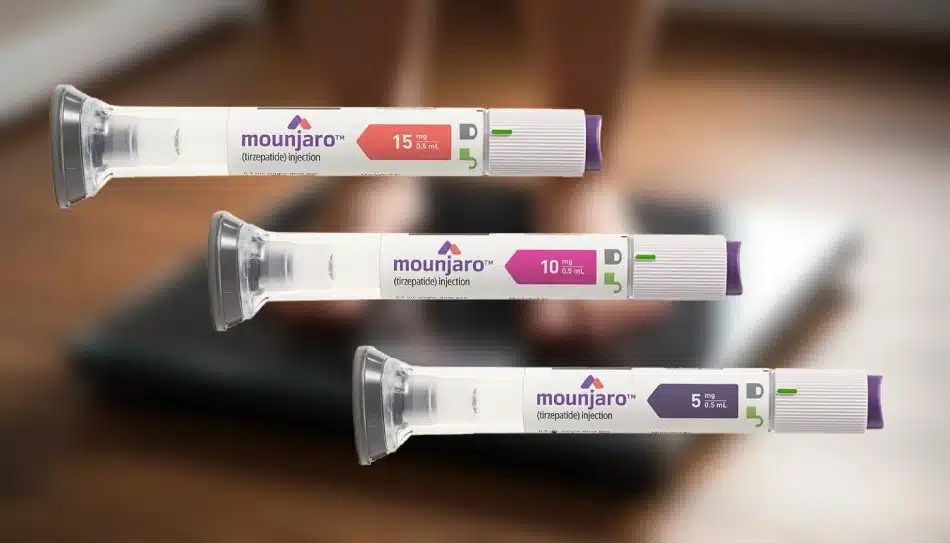
Mounjaro is the brand name for tirzepatide, a prescription medicine that activates two hormone receptors: GIP and GLP-1.
These hormones are involved in regulating blood glucose, appetite, digestion, and energy balance. By activating these pathways, tirzepatide can help improve blood sugar control and influence appetite and food intake.
Mounjaro is approved for specific medical uses, and its suitability depends on an individual’s health history, other medications, and treatment goals.
How Does Mounjaro Work?
Tirzepatide is known as a dual GIP and GLP-1 receptor agonist.
It can:
- Improve blood glucose regulation
- Increase insulin secretion when glucose levels are elevated
- Reduce glucagon secretion
- Slow gastric emptying
- Reduce appetite
- Affect food intake and satiety
Because Mounjaro affects several processes involved in digestion and metabolism, gastrointestinal reactions are among the most frequently reported side effects.
Is Mounjaro Safe for Most People?
For people who have an appropriate medical indication, Mounjaro can be used safely when prescribed and monitored by a healthcare professional.
However, safe does not mean risk-free.
The safety profile can vary from one person to another. Factors such as existing medical conditions, other medications, previous reactions to similar medicines, and pregnancy status can all affect whether tirzepatide is appropriate.
Before treatment, a healthcare professional may review your medical history and current medications to identify potential concerns.
Common Mounjaro Side Effects
The most frequently reported adverse reactions include gastrointestinal symptoms.
Common reactions can include:
- Nausea
- Diarrhea
- Decreased appetite
- Vomiting
- Constipation
- Indigestion
- Abdominal pain
These reactions may be particularly noticeable when treatment begins or when the dose is increased.
For some people, symptoms become less troublesome as their body adjusts. However, persistent or severe symptoms should be discussed with a healthcare professional.
Mounjaro and Nausea
Nausea is one of the most commonly reported reactions associated with tirzepatide.
Because the medicine affects gastric emptying and appetite regulation, some people may experience nausea, particularly during treatment initiation or dose escalation.
Eating smaller meals and avoiding foods that appear to worsen symptoms may help some people, but persistent symptoms should be evaluated medically.
Mounjaro and Diarrhea
Diarrhea can also occur during treatment.
If diarrhea is severe or prolonged, dehydration can become a concern. Drinking appropriate fluids and seeking medical advice when symptoms are persistent can help reduce the risk of complications.
Mounjaro and Constipation
Constipation is another recognized adverse reaction.
Changes in eating patterns, appetite, fluid intake, and gastrointestinal movement may contribute to constipation during treatment.
Persistent constipation, particularly when accompanied by significant abdominal pain or vomiting, warrants medical attention.
Vomiting and Abdominal Discomfort
Vomiting and abdominal discomfort can occur, especially around periods of dose escalation.
Repeated vomiting can lead to dehydration and may increase the risk of kidney problems in susceptible individuals.

Important Mounjaro Risks to Understand
Although many adverse reactions are gastrointestinal, there are more serious warnings associated with tirzepatide.
Thyroid C-Cell Tumor Warning
Mounjaro carries a boxed warning concerning thyroid C-cell tumors.
In animal studies, tirzepatide caused thyroid C-cell tumors. It is not known whether this finding applies to humans.
Mounjaro is contraindicated in people with a personal or family history of medullary thyroid carcinoma (MTC) or in people with Multiple Endocrine Neoplasia syndrome type 2 (MEN 2).
Anyone with these conditions should discuss alternatives with their healthcare professional.
Pancreatitis
Acute pancreatitis has been reported with medicines in this class.
Severe, persistent abdominal pain, particularly if it radiates toward the back and is accompanied by vomiting, requires prompt medical evaluation.
Gallbladder Problems
Gallbladder-related problems, including gallstones and inflammation of the gallbladder, can occur.
Symptoms that may warrant medical assessment include persistent upper abdominal pain, fever, nausea, vomiting, or yellowing of the skin or eyes.
Low Blood Sugar
Mounjaro can increase the risk of hypoglycemia, particularly when it is used alongside insulin or medicines known as insulin secretagogues.
People taking multiple diabetes medications should follow their healthcare professional’s instructions regarding blood glucose monitoring and treatment adjustments.
Kidney Problems and Dehydration
Severe gastrointestinal reactions such as persistent vomiting or diarrhea can cause dehydration.
Significant fluid loss can contribute to acute kidney injury, particularly in people who already have reduced kidney function or other risk factors.
Serious Allergic Reactions
Although uncommon, serious hypersensitivity reactions can occur.
Symptoms such as facial swelling, difficulty breathing, severe rash, or swelling of the throat require urgent medical attention.
Does Mounjaro Affect Digestion?
Yes. Tirzepatide delays gastric emptying, particularly after treatment begins.
This is one reason gastrointestinal symptoms can occur.
Delayed gastric emptying may also affect the absorption of some oral medications. Healthcare professionals should therefore know about all prescription medicines, over-the-counter medicines, and supplements being used.
Mounjaro may also be relevant when undergoing procedures involving general anesthesia or deep sedation because delayed gastric emptying can increase the risk of aspiration.
Mounjaro and Other Medicines
Medication interactions are an important part of evaluating whether Mounjaro is appropriate.
Tell your healthcare professional about:
- Diabetes medications
- Insulin
- Medicines that stimulate insulin release
- Oral prescription medications
- Over-the-counter medicines
- Vitamins and supplements
- Other weight-management treatments
Particular attention may be needed when Mounjaro is combined with medicines that can independently cause low blood glucose.
Who Should Not Take Mounjaro?
Mounjaro is not appropriate for everyone.
It should not be used by people with a personal or family history of medullary thyroid carcinoma or people with MEN 2.
Medical advice is also especially important for people with a history of:
- Pancreatitis
- Gallbladder disease
- Severe gastrointestinal disease
- Kidney problems
- Diabetic retinopathy
- Serious medication allergies
- Conditions requiring anesthesia or deep sedation
Your healthcare professional can determine whether the potential benefits outweigh the risks in your particular situation.

Mounjaro During Pregnancy
Mounjaro should not be treated as a routine weight-management option during pregnancy.
Weight loss generally does not provide a benefit during pregnancy, and medications that may affect fetal development require careful consideration.
Anyone who becomes pregnant while taking tirzepatide should contact their healthcare professional promptly for advice.
People planning pregnancy should also discuss their treatment with their healthcare provider before making changes.
How Long Do Mounjaro Side Effects Last?
There is no single timeframe that applies to everyone.
Some people experience gastrointestinal symptoms mainly when beginning treatment or after a dose increase. Others may experience symptoms for longer.
The severity and duration can depend on individual factors, treatment stage, dose, diet, hydration, and other medications.
If symptoms are severe, persistent, or getting worse rather than improving, medical advice should be sought.
Can Mounjaro Side Effects Be Reduced?
Some people find gastrointestinal symptoms easier to manage with practical changes, although these measures do not replace medical advice.
Helpful habits may include:
Eat Smaller Meals
Large meals may be harder to tolerate when appetite and gastric emptying have changed.
Smaller portions spread throughout the day may be more comfortable for some people.
Stay Hydrated
Adequate fluid intake is particularly important if nausea, vomiting, or diarrhea occurs.
Eat Slowly
Taking more time to eat may help prevent discomfort and overeating.
Follow the Prescribed Schedule
Dose changes should be made according to the treatment plan provided by a healthcare professional.
Increasing the dose more quickly than prescribed may increase the likelihood of adverse reactions.
When Should You Seek Medical Help?
Some symptoms should not simply be considered normal medication side effects.
Seek urgent medical attention for symptoms such as:
- Severe or persistent abdominal pain
- Difficulty breathing
- Swelling of the face, lips, tongue, or throat
- Severe or persistent vomiting
- Signs of severe dehydration
- Symptoms suggesting a serious allergic reaction
- Severe weakness or confusion associated with low blood glucose
When in doubt, contacting a healthcare professional is safer than attempting to manage a potentially serious reaction yourself.
Mounjaro Safety Compared With Other GLP-1 Medicines
Mounjaro belongs to a newer class of medicines that target both GIP and GLP-1 receptors.
Other medicines may target GLP-1 alone.
Although their mechanisms differ, gastrointestinal reactions are common across several medicines affecting these pathways.
This does not mean that one medication is automatically safer than another for every individual. The appropriate choice depends on the person’s medical history, treatment goals, other medications, and risk factors.
Is Mounjaro Safe for Weight Loss?
This question requires an important distinction.
Mounjaro is a prescription tirzepatide product with specific approved indications. Tirzepatide is also marketed under a different brand for chronic weight management in eligible patients.
Therefore, people should not assume that every tirzepatide product has identical approved uses.
Anyone considering tirzepatide for weight management should speak with a qualified healthcare professional about which treatment, if any, is appropriate.
Frequently Asked Questions
Is Mounjaro completely safe?
No medication is completely risk-free. Mounjaro can be appropriate for many patients when prescribed correctly, but it has common side effects and potentially serious risks.
What is the most common Mounjaro side effect?
Gastrointestinal reactions are among the most commonly reported, including nausea, diarrhea, vomiting, constipation, decreased appetite, indigestion, and abdominal pain.
Can Mounjaro cause serious problems?
Yes. Important warnings include pancreatitis, gallbladder disease, hypoglycemia when combined with certain diabetes medications, kidney injury associated with dehydration, serious allergic reactions, and a boxed warning concerning thyroid C-cell tumors.
Can anyone use Mounjaro?
No. Certain people should not use Mounjaro, including individuals with a personal or family history of medullary thyroid carcinoma or people with MEN 2.
Should Mounjaro be stopped because of nausea?
Do not change or stop prescription treatment without speaking with your healthcare professional. Mild nausea can occur, but severe or persistent symptoms should be evaluated.
Does Mounjaro affect digestion?
Yes. Tirzepatide delays gastric emptying, which contributes to its effects on appetite and digestion and can also contribute to gastrointestinal adverse reactions.

Final Thoughts
So, is Mounjaro safe? For appropriately selected patients, Mounjaro can be used as an effective prescription treatment under professional medical supervision. However, it is not suitable for everyone and is not free from side effects or serious risks.
Understanding common gastrointestinal reactions, the thyroid warning, pancreatitis and gallbladder concerns, hypoglycemia, dehydration, allergic reactions, and medication interactions is important before treatment.
The safest approach is to use Mounjaro only according to a qualified healthcare professional’s instructions and to report concerning symptoms promptly.
is Mounjaro safe, is Mounjaro safe, is Mounjaro safe, is Mounjaro safe, is Mounjaro safe, is Mounjaro safe, is Mounjaro safe, is Mounjaro safe, is Mounjaro safe, is Mounjaro safe, is Mounjaro safe, is Mounjaro safe, is Mounjaro safe, is Mounjaro safe, is Mounjaro safe, is Mounjaro safe, is Mounjaro safe, is Mounjaro safe, is Mounjaro safe, is Mounjaro safe,
