
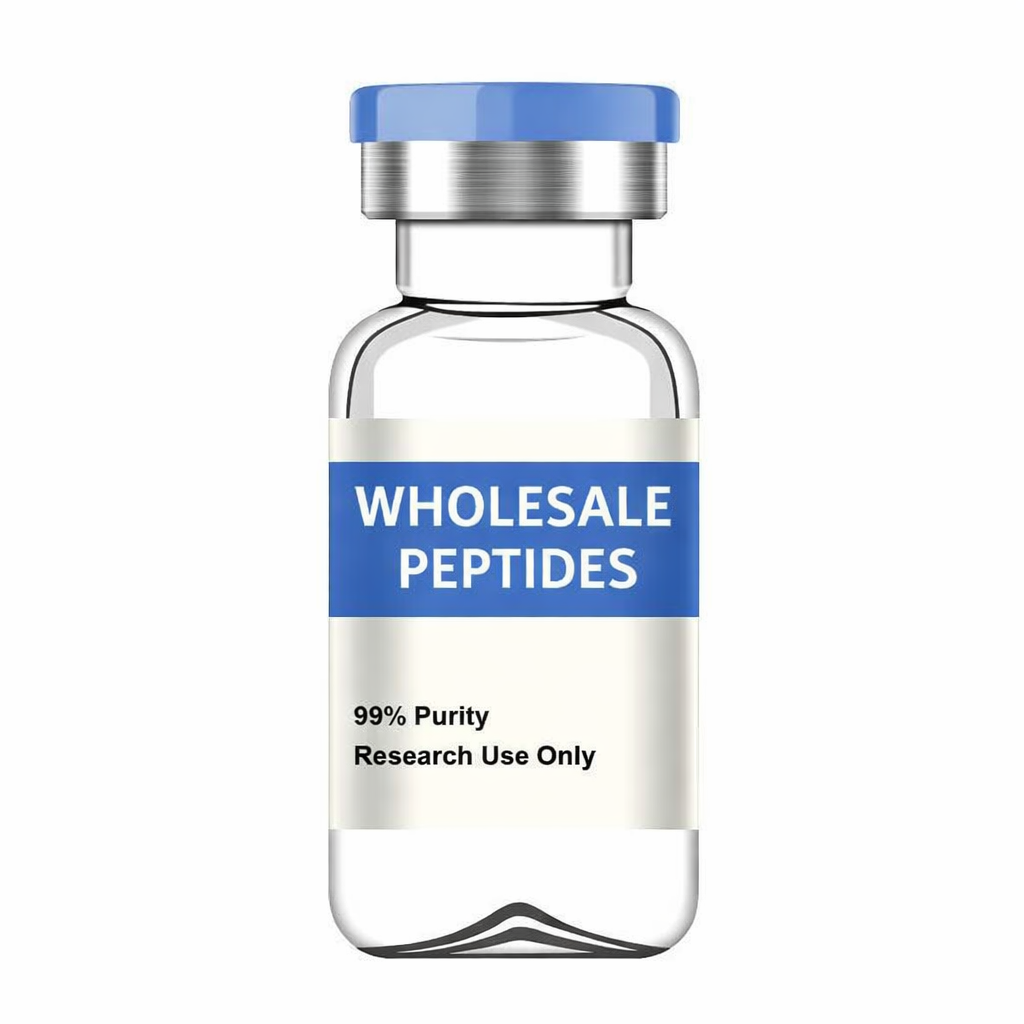
BPC 157 + TB500 x 10 vials (Wolverine Stack)
Price range: £160.00 through £280.00
BPC 157 + TB500 x 10 vials (Wolverine Stack) is a powerful peptide combination highly valued in research for its potential in healing and accelerated recovery. Trusted for purity and results, only at TheWholesale Peptides.
BPC 157 + TB500 x 10 Vials (Wolverine Stack)
BPC 157 + TB500 x 10 vials is a two-peptide research preparation commonly known as the Wolverine Stack. It combines BPC-157 and TB-500, two experimental peptides studied in preclinical research involving cellular signalling, tissue biology, vascular pathways, cell migration, and tissue-remodelling mechanisms.
The two compounds have distinct molecular structures and research profiles, making the combination relevant to laboratory investigations examining multiple biological pathways within the same research model.
What Is the Wolverine Stack?
The Wolverine Stack is an informal name used for a research combination containing BPC-157 and TB-500. It is not a single molecule or naturally occurring compound.
BPC-157 is an experimental peptide investigated in preclinical studies involving cellular and tissue-related mechanisms.
TB-500 is a synthetic peptide associated with thymosin beta-4 research and is commonly studied in relation to cell migration, cytoskeletal organisation, vascular biology, and tissue remodelling.
The two materials have different molecular characteristics. Researchers may therefore investigate them together when examining multiple signalling pathways in controlled experimental environments.
It is important to distinguish the scientific rationale for combining two compounds from evidence demonstrating that the combination produces a synergistic effect. Research on the complete combination remains limited.
BPC-157 Research
BPC-157 has been investigated across a variety of experimental models.
Research areas include:
- Cellular signalling
- Tissue biology
- Vascular pathways
- Experimental wound models
- Gastrointestinal research
- Angiogenesis
- Tendon and ligament biology
- Molecular signalling mechanisms
Much of the available research is preclinical. Findings from laboratory and animal studies should therefore not be interpreted as established clinical outcomes.
TB-500 Research
TB-500 is associated with research involving the thymosin beta-4 family of peptides.
Research surrounding thymosin-related mechanisms has examined biological processes such as:
- Cell migration
- Cytoskeletal organisation
- Actin-associated pathways
- Angiogenesis
- Cellular movement
- Tissue remodelling
- Epithelial biology
- Experimental wound models
Researchers should distinguish studies involving full-length thymosin beta-4 from research involving TB-500 because these are related but chemically distinct materials.
Why Study BPC-157 and TB-500 Together?
The interest in this combination comes from the different research characteristics of the two peptides.
BPC-157 research has focused on cellular, vascular, and tissue-associated mechanisms, while TB-500-related research has focused more strongly on cellular movement and cytoskeletal biology.
This creates an experimental opportunity to examine different biological pathways within the same research framework.
However, complementary mechanisms do not automatically demonstrate synergy. Researchers should avoid assuming that findings from individual compounds apply directly to the combined preparation.
Wolverine Stack Research Areas
This two-peptide preparation may be relevant to laboratory investigations involving several areas of biology.
Tissue Biology
Experimental models can be used to investigate cellular processes involved in tissue remodelling and structural changes.
Cell Migration
Thymosin-related research has examined actin dynamics and mechanisms involved in cellular movement.
Vascular Research
Preclinical studies involving BPC-157 have investigated vascular signalling and angiogenesis-related processes.
Cytoskeletal Biology
TB-500-related research provides an experimental model for examining cytoskeletal organisation and actin-associated mechanisms.
Cellular Signalling
The two compounds allow researchers to examine distinct signalling pathways within controlled laboratory models.
BPC 157 + TB500 x 10 Vials Specifications
| Specification | Details |
|---|---|
| Product | BPC-157 + TB-500 research preparation |
| Pack size | 10 vials |
| Components | BPC-157 and TB-500 |
| Product type | Two-peptide research preparation |
| Common name | Wolverine Stack |
| Research areas | Tissue, cellular and vascular biology |
| Intended use | Laboratory research only |
The exact amount of each peptide per vial should be confirmed against the product label and batch-specific Certificate of Analysis.
Formulations sold under the Wolverine Stack name may differ between suppliers. Researchers should therefore rely on the actual product documentation rather than the informal stack name when recording experimental materials.
Research Into Tissue and Cellular Biology
Tissue biology involves numerous interconnected processes, including cell migration, extracellular matrix activity, vascular signalling, cellular communication, and structural remodelling.
The two components provide different experimental perspectives within these areas.
BPC-157 can be studied in models examining cellular and vascular pathways, while TB-500-related research can provide insight into cell movement and cytoskeletal mechanisms.
This makes the combination potentially useful as an experimental research material when multiple biological pathways are being examined simultaneously.
Cell Migration and Cytoskeletal Research
Cell migration is an important biological process involved in many areas of cellular research.
The cytoskeleton provides structural support and helps cells change shape and move. Actin-associated mechanisms are therefore an important subject within cell biology.
TB-500-related research has contributed to investigations into these mechanisms, while BPC-157 has been examined in separate experimental models involving cellular and vascular signalling.
Studying these pathways can help researchers understand how different molecular signals influence cellular behaviour.
Quality and Batch Documentation
Research materials should be supported by appropriate analytical documentation whenever possible.
Researchers should look for:
- Batch or lot number
- Peptide identity
- Purity information
- Analytical testing
- Certificate of Analysis
- Manufacturing information
- Stated quantity per vial
- Storage requirements
A batch-specific COA is particularly useful for multi-component preparations because it can help researchers verify the identity and reported quality of each component.
Storage Considerations
Lyophilised research peptide preparations should be stored according to the manufacturer’s specifications.
Researchers should protect the material from unnecessary exposure to:
- Excessive heat
- Moisture
- Direct light
- Uncontrolled environmental conditions
- Repeated temperature fluctuations
Laboratory personnel should follow institutional procedures and the manufacturer’s documentation for storage and sample management.
Specific reconstitution, dosing, injection, or administration instructions are not provided because this material is intended for laboratory research rather than human use.
Wolverine Stack vs Individual Peptides
Researchers may choose a combined preparation or individual compounds depending on their experimental requirements.
| Research material | Primary research emphasis |
|---|---|
| BPC-157 | Cellular, vascular and tissue biology |
| TB-500 | Cell migration and cytoskeletal research |
| Wolverine Stack | Combined experimental investigation |
Individual preparations may provide greater control over experimental variables, whereas a defined combination can be useful when a research protocol specifically examines both compounds together.
Research Evidence and Limitations
A key consideration is the difference between evidence for individual compounds and evidence for the combined preparation.
BPC-157 has been investigated in numerous preclinical models. Research involving thymosin beta-4 has also examined cellular movement, vascular biology, and tissue-associated mechanisms.
However, this does not establish that combining the two compounds produces superior results.
Claims concerning enhanced recovery, accelerated healing, or guaranteed synergy should therefore be treated as unproven research hypotheses rather than established scientific conclusions.
Frequently Asked Questions
What is the Wolverine Stack?
The Wolverine Stack is an informal research term for a preparation containing BPC-157 and TB-500.
What is included in this product?
The preparation contains two experimental peptides: BPC-157 and TB-500.
How many vials are included?
The package contains 10 vials.
Are BPC-157 and TB-500 the same peptide?
No. They are chemically distinct peptides with different structures and research characteristics.
What areas are being researched?
Research involving these compounds includes cellular signalling, tissue biology, vascular pathways, cell migration, cytoskeletal organisation, and tissue-remodelling mechanisms.
Does combining the two peptides prove synergy?
No. The proposed complementary mechanisms provide a basis for experimental investigation, but they do not establish that the combination produces a synergistic effect.
Is this product approved for human use?
No. This material is supplied strictly for laboratory research and should not be represented as an approved medicine or treatment.
Does this product have established therapeutic benefits?
No. Preclinical research does not establish safety or effectiveness for treating medical conditions in humans.
Research Disclaimer
This research preparation is supplied strictly for laboratory and scientific investigation. It is not intended for human or veterinary consumption or administration. It is not a medicine, dietary supplement, or approved treatment. Researchers are responsible for complying with applicable laws, institutional requirements, and laboratory safety procedures.
tb500,
bpc 157 uk,
bpc 157 side effects,
tb 500,
tb500 peptide,
bpc 157 dosage,
bcp 157,
tb 500 peptide,
tb500 peptides.
| MG | 10MG, 20MG |
|---|
Related products
Performance & Muscle Building
GLP-1 / Weight Loss
GLP-1 / Weight Loss
GLP-1 / Weight Loss
Recovery & Wellness
Performance & Muscle Building
Performance & Muscle Building
GLP-1 / Weight Loss