
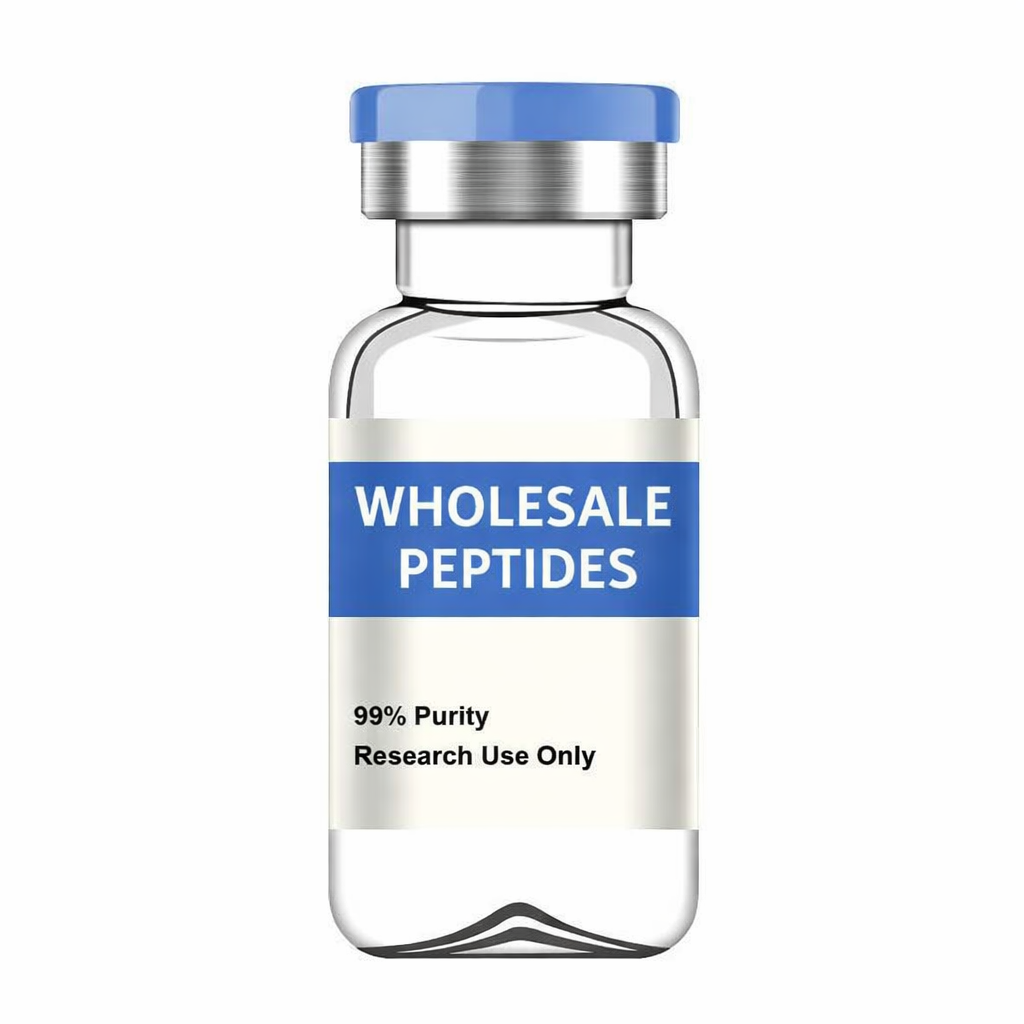
MT1 x 10 Vials
MT1 x 10 vials is a multi-vial research pack containing Melanotan I, a synthetic analogue associated with the alpha-melanocyte-stimulating hormone (α-MSH) and the melanocortin signalling system. A ten-vial format provides multiple individually packaged units for laboratory research involving melanocortin receptors, pigmentation biology, melanogenesis, melanin production and peptide signalling.
Melanotan I has been investigated as a synthetic melanocortin peptide, making it relevant to scientific studies exploring how melanocortin pathways interact with melanocytes and other biological systems. The compound should be distinguished from Melanotan II (MT2), as they are separate synthetic peptides with different research characteristics.
What Is MT1 x 10 Vials?
The term MT1 x 10 vials refers to a ten-vial research pack of Melanotan I.
MT1 is commonly used as an abbreviation for Melanotan I, a synthetic peptide analogue related to α-MSH. Research into Melanotan I has focused on melanocortin receptor activity and pathways associated with pigmentation.
A multi-vial format can be useful for laboratories that require multiple individually packaged units for research projects, inventory management or separate experimental work.
The precise quantity contained in each vial should always be confirmed against the product label and batch documentation supplied with the specific product.
What Is Melanotan I?
Melanotan I is a synthetic analogue of alpha-melanocyte-stimulating hormone, a naturally occurring peptide involved in melanocortin signalling.
The melanocortin system consists of several peptide hormones and receptors that participate in diverse biological processes. One important area is pigmentation, where α-MSH-related signalling can influence melanocytes and melanin production.
Because of this relationship, Melanotan I has become a subject of research in:
- Melanocortin receptor biology
- Melanocyte signalling
- Melanin biosynthesis
- Pigmentation pathways
- Peptide-receptor interactions
- Skin biology
- Photobiology
- Cellular signalling
Melanotan I and Melanocortin Signalling
The biological activity of melanocortin peptides is mediated through melanocortin receptors.
These receptors are part of the G-protein-coupled receptor family and are involved in several physiological pathways.
In pigmentation research, melanocortin signalling is particularly relevant because melanocytes respond to signals associated with α-MSH. Activation of relevant pathways can influence intracellular processes involved in melanogenesis.
Melanotan I therefore provides researchers with a synthetic peptide model for examining these signalling mechanisms.
MT1 and Melanin Research
One of the major areas associated with Melanotan I research is melanin biology.
Melanin is a naturally occurring pigment produced by specialised cells known as melanocytes. It contributes to pigmentation in skin, hair and eyes.
Melanin production involves multiple biochemical steps and signalling pathways. Researchers can investigate these processes by studying melanocortin-related peptides and their interactions with receptors.
Areas of interest include:
Melanocyte Biology
Melanocytes are responsible for producing melanin. Research can examine how melanocortin signalling influences melanocyte activity.
Melanogenesis
Melanogenesis refers to the biological process through which melanin is produced.
Pigmentation Signalling
Melanocortin pathways are important components of pigmentation-related cellular signalling.
Photobiology
Research into pigmentation can overlap with photobiology, including investigations into how skin responds to environmental factors such as ultraviolet radiation.
MT1 vs MT2
Melanotan I and Melanotan II are related compounds, but they are not the same peptide.
Both are synthetic melanocortin-related compounds, yet they have different structures, pharmacological profiles and research applications.
MT1 generally refers to Melanotan I.
MT2 generally refers to Melanotan II.
Researchers should therefore maintain clear compound identification when recording experiments, laboratory inventory and analytical data.
This distinction is also important for online product information because searches for “MT1” and “MT2” can otherwise become confusing.
MT1 vs α-MSH
Melanotan I is a synthetic analogue associated with α-MSH, but it should not simply be treated as identical to naturally occurring α-MSH.
α-MSH is an endogenous peptide produced within the body and involved in melanocortin signalling.
Melanotan I was developed as a synthetic analogue designed to interact with melanocortin pathways.
This relationship makes MT1 useful for research examining synthetic peptide analogues and melanocortin receptor biology.
Research Applications of Melanotan I
Research involving Melanotan I can cover several interconnected areas.
Receptor Research
Scientists can investigate how synthetic melanocortin analogues interact with melanocortin receptors.
Pigmentation Studies
MT1 can be examined in laboratory models involving pigmentation and melanin-related signalling.
Peptide Biology
The compound provides an example of how synthetic peptide analogues can be used to investigate biological signalling pathways.
Skin Research
Melanocortin signalling is closely associated with melanocyte biology, making MT1 relevant to certain areas of skin research.
Cellular Signalling
Researchers can investigate downstream pathways associated with receptor activation and peptide signalling.
MT1 Peptide and Melanogenesis
Melanogenesis is the biological process responsible for producing melanin.
It involves melanocytes, specialised organelles called melanosomes and a number of enzymes and signalling pathways.
Melanocortin signalling is one component of this complex system.
Research involving MT1 can therefore contribute to investigations into how peptide signalling interacts with melanogenesis and pigment production.
However, laboratory research into these mechanisms should not be interpreted as evidence that an unapproved research compound is safe or effective for cosmetic or therapeutic use.
Why a 10-Vial Research Pack?
A ten-vial configuration provides researchers with multiple individually packaged units.
This format can be useful for:
- Laboratory inventory management
- Separate research projects
- Batch organisation
- Experimental planning
- Individually packaged research material
- Longer-term laboratory stock management
A multi-vial pack can also make it easier for researchers to distinguish unopened units from materials already allocated to an experiment.
The appropriate quantity for a research project depends entirely on the laboratory protocol and study design.
Lyophilised Peptide Format
Where the specific MT1 product is supplied as lyophilised material, freeze-drying can help provide a stable dry presentation of the peptide during appropriate storage.
Lyophilised peptides are commonly supplied in sealed laboratory vials.
Researchers should follow the manufacturer’s current storage and handling documentation because stability requirements can vary according to formulation, packaging and environmental conditions.
Do not assume that storage instructions for one peptide automatically apply to another.
Product Quality Considerations
Quality is an important consideration when evaluating research peptides.
Researchers should look for clear information regarding:
- Compound identity
- Labelled quantity
- Batch identification
- Purity information
- Analytical testing
- Packaging
- Storage conditions
- Manufacturer documentation
Where a certificate of analysis or other laboratory documentation is available, researchers should review the documentation associated with the specific batch rather than relying on general product claims.
This approach supports better traceability and laboratory record keeping.
Storage and Handling
Melanocortin peptides should be handled according to the specific manufacturer’s documentation and appropriate laboratory procedures.
General considerations include protecting research material from:
- Excessive heat
- Direct light
- Moisture
- Contamination
- Unnecessary temperature fluctuations
The exact storage requirements depend on the formulation and packaging.
Researchers should always prioritise the instructions supplied with the specific product.
MT1 Peptide Research vs Cosmetic Claims
Melanotan I is sometimes discussed online in connection with tanning and pigmentation. However, research information should be separated from unsupported cosmetic claims.
A research peptide should not automatically be considered an approved cosmetic ingredient or established treatment.
Scientific research may investigate biological mechanisms without establishing that a product is safe or effective for consumer use.
For this reason, product pages should accurately identify MT1 as a research compound and avoid presenting experimental findings as guaranteed outcomes.
Frequently Asked Questions
What is MT1 x 10 vials?
It is a ten-vial research pack containing Melanotan I, commonly abbreviated as MT1. The product format is designed around multiple individually packaged research units.
What does MT1 stand for?
MT1 commonly refers to Melanotan I, a synthetic analogue associated with alpha-melanocyte-stimulating hormone and melanocortin signalling.
What is Melanotan I researched for?
Research into Melanotan I includes melanocortin receptor activity, pigmentation biology, melanogenesis, melanin production, melanocyte signalling and peptide-receptor interactions.
Is MT1 the same as MT2?
No. Melanotan I and Melanotan II are separate synthetic melanocortin-related peptides.
What is melanogenesis?
Melanogenesis is the biological process through which melanocytes produce melanin, the pigment associated with skin, hair and eye colour.
What are melanocortin receptors?
Melanocortin receptors are a family of receptors involved in signalling pathways associated with several physiological processes, including pigmentation and energy regulation.
Why is MT1 studied in pigmentation research?
Melanotan I is related to α-MSH and melanocortin signalling, pathways that are important in melanocyte activity and melanin production.
Is MT1 an approved medicine?
Melanotan I should not be presented as an approved general-purpose medicine or cosmetic treatment. Research compounds require appropriate regulatory and scientific consideration.
Is MT1 intended for human use?
A research-use MT1 product should not be represented as intended for human consumption or self-administration. Researchers should follow applicable regulations and institutional procedures.
Summary
MT1 x 10 vials provides a multi-vial format for research involving Melanotan I and the melanocortin signalling system.
Melanotan I is a synthetic α-MSH analogue that has been investigated in areas including melanocortin receptor biology, melanogenesis, melanin production, melanocyte signalling, pigmentation research and peptide biology.
For researchers, understanding the distinction between MT1 and MT2 is particularly important because they are related but separate compounds.
Research Use Only. Not for human consumption or self-administration.
Related products
GLP-1 / Weight Loss
Performance & Muscle Building
Hair & Aesthetics
GLP-1 / Weight Loss
GLP-1 / Weight Loss
Hair & Aesthetics
GLP-1 / Weight Loss
GLP-1 / Weight Loss