
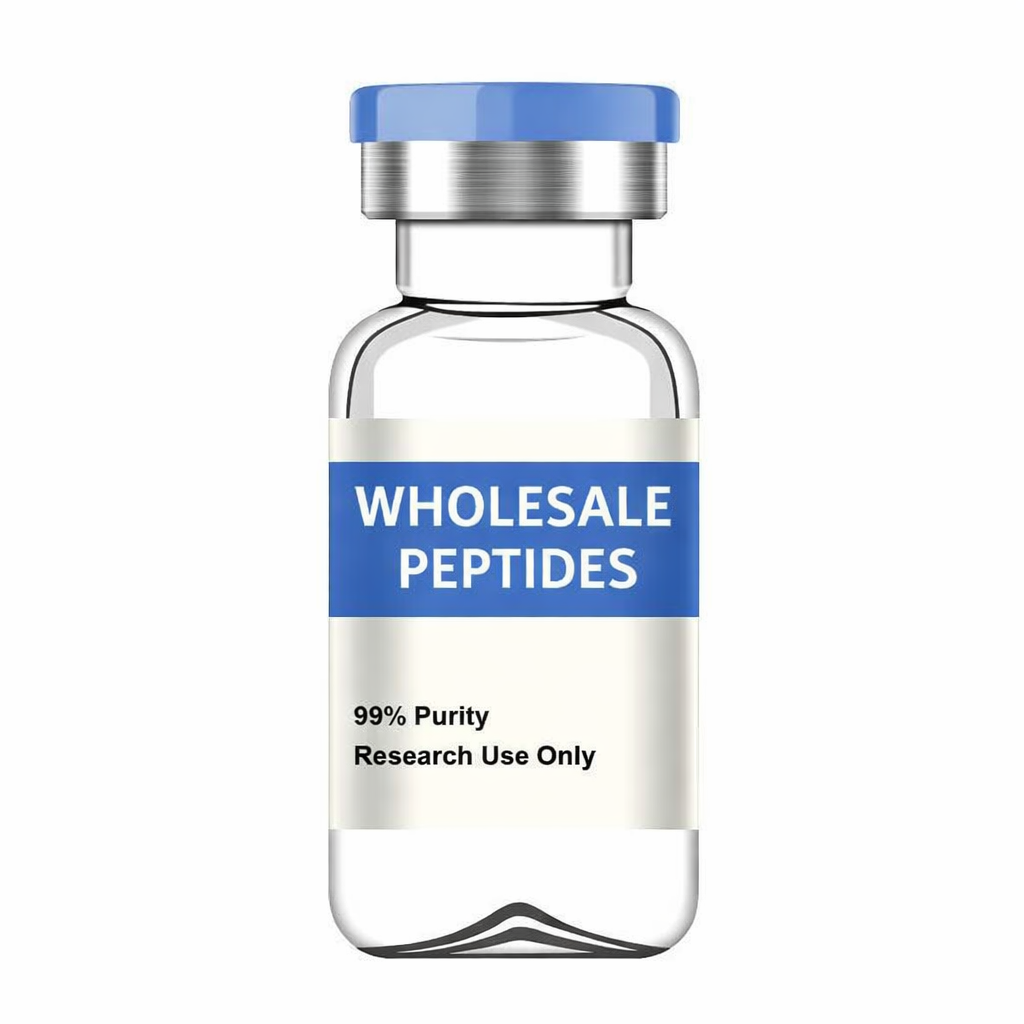
Semaglutide x 10 Vials
Semaglutide is a synthetic peptide analogue studied extensively in metabolic and endocrinology research. It is associated with the glucagon-like peptide-1 (GLP-1) receptor and has been investigated in areas including glucose regulation, appetite signalling, gastrointestinal physiology, and energy metabolism.
This product is supplied as a 10-vial research pack for controlled laboratory research and scientific investigation.
Research Use Only. Not for human consumption, self-administration, diagnosis, treatment, or prevention of disease.
Product Overview
Semaglutide is a modified peptide analogue designed to interact with the GLP-1 receptor. GLP-1 is an endogenous hormone involved in several physiological processes related to glucose metabolism, insulin signalling, appetite, and gastrointestinal function.
Because of its long-acting characteristics, the compound has become an important subject in research examining sustained GLP-1 receptor signalling.
| Product Detail | Specification |
|---|---|
| Compound | Semaglutide |
| Product type | Research peptide |
| Pack size | 10 vials |
| Peptide class | GLP-1 receptor agonist |
| Primary research area | Metabolic & endocrine research |
| Research pathways | GLP-1 signalling, glucose & appetite biology |
| Intended use | Laboratory research only |
Semaglutide and GLP-1 Research
GLP-1 is an incretin hormone produced in the gastrointestinal system and other tissues. It participates in communication between the digestive system, pancreas, brain, and other metabolic organs.
Researchers study GLP-1 receptor agonists to investigate how receptor activation influences metabolic processes.
Research areas include:
- GLP-1 receptor signalling
- Glucose metabolism
- Insulin secretion
- Appetite regulation
- Satiety signalling
- Gastric emptying
- Energy metabolism
- Endocrine physiology
These pathways involve multiple biological systems, so individual research findings should always be interpreted within the relevant experimental model.
GLP-1 Receptor Research
The GLP-1 receptor belongs to the G protein-coupled receptor family.
When activated, it can trigger intracellular signalling pathways involved in hormone secretion and metabolic regulation. Researchers use GLP-1 receptor agonists to investigate receptor pharmacology and downstream cellular responses.
Laboratory studies may examine:
cAMP Signalling
GLP-1 receptor activation can influence intracellular cyclic AMP signalling. This pathway is an important subject in studies of pancreatic and metabolic cell biology.
Insulin-Related Research
GLP-1 signalling is closely associated with glucose-dependent insulin secretion. Researchers can examine how receptor activation interacts with pancreatic beta-cell physiology.
Glucagon Research
GLP-1-related signalling also interacts with glucagon regulation, making the compound relevant to broader studies of endocrine control.
Metabolic Research
Metabolism involves coordinated regulation of glucose, lipids, energy intake, and energy expenditure.
GLP-1 receptor signalling provides researchers with a model for studying how hormonal communication affects these processes.
Potential research areas include:
- Glucose homeostasis
- Pancreatic beta-cell biology
- Insulin signalling
- Glucagon regulation
- Energy balance
- Nutrient sensing
- Metabolic signalling
Research results should not be interpreted as proof of therapeutic outcomes outside the conditions in which the research was conducted.
Appetite and Satiety Research
Another major research area involves communication between GLP-1 signalling and the central nervous system.
GLP-1 pathways are involved in physiological signals associated with food intake and satiety. Researchers can investigate how receptor activation influences neural circuits associated with appetite and energy regulation.
Studies may examine:
- Satiety signalling
- Food intake
- Appetite-related pathways
- Energy balance
- Gut-brain communication
- Neuroendocrine signalling
The relationship between these mechanisms is complex and continues to be investigated across cellular, animal, and clinical research models.
Gastrointestinal Research
GLP-1 signalling is also relevant to gastrointestinal physiology.
Researchers study interactions between GLP-1 pathways and processes such as gastric motility and nutrient absorption. This provides another research model for examining how gastrointestinal signals communicate with metabolic and endocrine systems.
Areas of investigation can include:
- Gastric physiology
- Gastrointestinal signalling
- Nutrient sensing
- Gut-brain communication
- Post-meal hormonal responses
Semaglutide vs Other GLP-1 Research Compounds
Semaglutide belongs to the broader family of GLP-1 receptor-targeting compounds.
Different molecules can vary in their peptide structure, receptor interaction, metabolic stability, and pharmacological characteristics.
| Feature | Semaglutide | Other GLP-1 Research Compounds |
|---|---|---|
| Molecular class | Peptide analogue | Varies |
| Primary target | GLP-1 receptor | May include GLP-1 or multiple receptors |
| Metabolic research | Yes | Compound dependent |
| Appetite research | Yes | Compound dependent |
| Endocrine research | Yes | Varies |
| Pharmacology | Long-acting profile | Depends on molecule |
Semaglutide x 10 Vials
This product is supplied as a 10-vial research pack.
The precise quantity per vial should be confirmed from the product label and accompanying certificate of analysis because the vial strength was not specified in the product name provided.
| Pack Information | Details |
|---|---|
| Quantity | 10 vials |
| Compound | Semaglutide |
| Format | Research peptide |
| Strength | Confirm from label/COA |
| Research area | Metabolic & endocrine biology |
| Intended use | Laboratory research only |
Researchers should verify product identity, strength, batch information, purity documentation, and storage requirements before laboratory use.
Research Applications
GLP-1 Receptor Pharmacology
Investigate receptor activation, intracellular signalling, and downstream cellular responses.
Metabolic Biology
Study relationships between GLP-1 signalling, glucose regulation, insulin physiology, and energy balance.
Endocrine Research
Explore interactions between incretin hormones and pancreatic endocrine function.
Appetite Research
Investigate hormonal and neural pathways associated with satiety and feeding behaviour.
Gastrointestinal Biology
Study relationships between GLP-1 signalling and gastrointestinal physiology.
Laboratory Quality Considerations
Researchers should review available documentation before conducting experiments.
Important information may include:
- Compound identity
- Vial strength
- Batch or lot number
- Purity information
- Certificate of analysis
- Packaging integrity
- Storage requirements
All research materials should be handled according to appropriate laboratory safety procedures and manufacturer documentation.
Frequently Asked Questions
What is Semaglutide?
Semaglutide is a synthetic peptide analogue that acts on the GLP-1 receptor and is widely studied in metabolic and endocrine research.
What is it researched for?
Research areas include GLP-1 receptor signalling, glucose metabolism, insulin biology, appetite regulation, gastrointestinal physiology, and energy balance.
How many vials are included?
This product contains 10 research vials.
What strength are the vials?
The exact vial strength should be confirmed from the product label or certificate of analysis.
Is Semaglutide a GLP-1 compound?
Yes. It is a GLP-1 receptor-targeting peptide analogue.
Is this product intended for human use?
No. This product is supplied strictly for laboratory research and is not intended for human consumption or self-administration.
Research-Use Disclaimer
This product is intended exclusively for laboratory and scientific research. It is not a dietary supplement or a product for self-administration.
Do not consume, inject, or administer this material to humans or animals. Researchers are responsible for complying with applicable laws, institutional requirements, laboratory safety procedures, and manufacturer documentation.
For research use only.
| MG | 5MG, 10MG, 15MG, 20MG, 30MG |
|---|
Related products
GLP-1 / Weight Loss
Recovery & Wellness
GLP-1 / Weight Loss
Performance & Muscle Building
Performance & Muscle Building
Performance & Muscle Building
GLP-1 / Weight Loss
GLP-1 / Weight Loss