
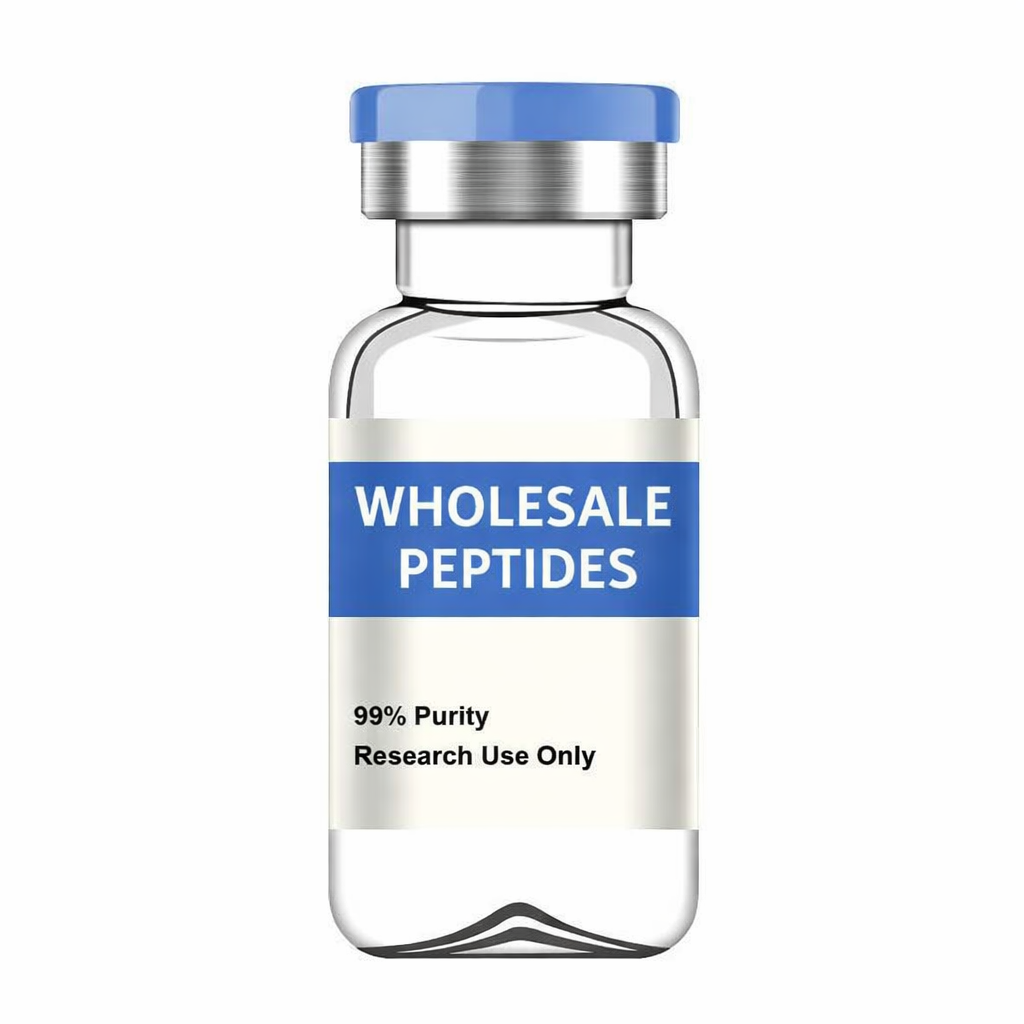
KPV 10mg x 10 Vials
KPV 10mg x 10 vials is an experimental peptide research preparation containing KPV, a short tripeptide derived from the C-terminal sequence of alpha-melanocyte-stimulating hormone (α-MSH). It is studied in laboratory research involving inflammatory signalling, cellular communication, epithelial biology, and melanocortin-related pathways.
The material provides researchers with a defined peptide preparation for investigating molecular mechanisms in controlled laboratory environments.
What Is KPV?
KPV is a short peptide consisting of three amino acids: lysine, proline, and valine.
The sequence corresponds to the C-terminal region of α-MSH, making it relevant to research involving melanocortin biology and peptide signalling.
Scientific interest in this molecule has focused particularly on cellular and inflammatory pathways. Researchers have investigated its behaviour in experimental models involving epithelial cells, immune-related signalling, and inflammatory mediators.
Because it is a small peptide sequence, it can also serve as a useful experimental model for studying how short molecular signals interact with complex biological systems.
KPV Peptide Research
Research involving this tripeptide has examined several areas of molecular biology.
These include:
- Inflammatory signalling
- Cellular communication
- Epithelial biology
- Cytokine-related pathways
- Melanocortin research
- Immune signalling
- Cellular stress
- Molecular regulation
The available evidence remains primarily experimental. Results observed in laboratory or animal models should therefore not be interpreted as established clinical effects.
Inflammatory Signalling Research
Inflammation involves a complex network of cytokines, transcription factors, cellular receptors, and other molecular mediators.
Researchers have investigated whether this small peptide can interact with pathways involved in inflammatory responses. Such work can help scientists understand how peptide-derived signals may influence cellular communication.
Potential research areas include:
- Cytokine expression
- Inflammatory mediators
- Cellular signalling
- Epithelial responses
- Immune-related pathways
- Molecular stress responses
The experimental nature of this research means that no therapeutic conclusions should be drawn from these findings.
Relationship With α-MSH
KPV represents the final three amino acids of alpha-melanocyte-stimulating hormone.
α-MSH is part of the melanocortin signalling system and has been studied in connection with pigmentation, neurological signalling, energy regulation, and immune-related processes.
Researchers have therefore examined the smaller sequence independently to better understand which biological effects may be associated with specific regions of larger peptide hormones.
It is important to distinguish the short sequence from the complete α-MSH molecule because their structures and biological characteristics are not identical.
Epithelial Biology
Epithelial tissues form important biological barriers and participate in extensive cellular signalling.
Experimental studies involving this compound have investigated epithelial cell responses and molecular pathways associated with inflammatory processes.
Research applications may include:
- Barrier biology
- Epithelial signalling
- Cellular homeostasis
- Molecular communication
- Inflammatory responses
- Tissue-associated signalling
These studies are useful for understanding biological mechanisms but do not establish a clinical application.
Cellular Signalling and Molecular Research
Short peptides can provide researchers with useful models for investigating molecular communication.
Laboratory studies may examine how peptide sequences interact with cellular pathways involving:
- Receptor signalling
- Cytokines
- Transcriptional pathways
- Cellular stress
- Immune communication
- Epithelial responses
- Melanocortin-related mechanisms
The exact outcome of an experiment depends on the model, concentration, experimental conditions, and biological system being studied.
KPV 10mg x 10 Vials Specifications
| Specification | Details |
|---|---|
| Product | KPV |
| Amount per vial | 10mg |
| Pack size | 10 vials |
| Total nominal quantity | 100mg |
| Peptide type | Experimental tripeptide |
| Amino-acid sequence | Lysine-Proline-Valine |
| Related peptide | α-MSH C-terminal sequence |
| Research focus | Cellular and inflammatory biology |
| Intended use | Laboratory research |
The package contains 10 individual vials, with a nominal total of 100mg based on the stated 10mg amount per vial.
Researchers should verify the product label, batch information, analytical documentation, and Certificate of Analysis where available.
Laboratory Research Applications
Inflammatory Biology
The material can be used as an experimental tool when investigating cellular pathways associated with inflammatory signalling.
Epithelial Research
Researchers studying epithelial cells and barrier-associated biology may investigate peptide-mediated signalling within controlled models.
Melanocortin Studies
Its relationship to α-MSH makes it relevant to experimental studies of melanocortin-associated mechanisms.
Immune Signalling
Laboratory models can examine interactions between peptide signals and immune-related cellular pathways.
Cellular Communication
The short molecular structure provides an opportunity to study peptide-mediated communication at the cellular level.
Quality and Analytical Documentation
Quality documentation is particularly important for research materials.
Researchers should consider documentation covering:
- Batch or lot number
- Peptide identity
- Purity testing
- Analytical methods
- Manufacturing information
- Certificate of Analysis
- Storage requirements
A batch-specific COA can provide useful information about the identity and reported purity of the supplied material.
Storage Considerations
Research peptide preparations should be stored according to the manufacturer’s instructions.
Laboratory personnel should protect the material from unnecessary exposure to:
- Excessive heat
- Moisture
- Direct light
- Uncontrolled environmental conditions
Researchers should follow their institutional laboratory procedures and the manufacturer’s current documentation.
Specific reconstitution, dosing, injection, or administration instructions are not provided because this material is intended for laboratory research rather than human use.
Comparing KPV With Other Research Peptides
Different experimental peptides are associated with different areas of biological research.
| Research material | Primary research area |
|---|---|
| KPV | Inflammatory and cellular signalling |
| BPC-157 | Experimental tissue and cellular biology |
| GHK-Cu | Copper-peptide and extracellular matrix research |
| TB-500 | Cell migration and cytoskeletal research |
| Selank | Neuroscience and neuropeptide research |
This distinction can help laboratories select research materials according to the biological pathways being investigated.
Why Study Short Peptide Sequences?
Short peptide fragments can be useful tools in molecular biology because researchers can examine specific sequences independently of a larger parent molecule.
This approach can help investigate:
- Structure-function relationships
- Peptide signalling
- Cellular receptors
- Molecular interactions
- Inflammatory pathways
- Biological activity of peptide fragments
KPV is particularly interesting in this context because of its connection with α-MSH and melanocortin biology.
Frequently Asked Questions
What is KPV?
KPV is a three-amino-acid peptide sequence consisting of lysine, proline, and valine. It corresponds to the C-terminal sequence of α-MSH.
How much material is included?
Each vial contains 10mg, and the package contains 10 vials for a nominal total of 100mg.
What is this peptide researched for?
Experimental research has examined inflammatory signalling, epithelial biology, cellular communication, immune-related pathways, and melanocortin-associated mechanisms.
Is KPV the same as α-MSH?
No. It is a short sequence derived from the larger α-MSH molecule. The two substances have different structures and should not be treated as interchangeable.
Is this product intended for human use?
No. It is supplied strictly for laboratory and scientific research and is not intended for human or veterinary administration.
Does laboratory research establish medical benefits?
No. Experimental findings do not establish safety, efficacy, or an approved therapeutic application in humans.
Research Disclaimer
This research material is supplied strictly for laboratory and scientific investigation. It is not intended for human or veterinary consumption or administration. It is not a medicine, dietary supplement, or approved treatment. Researchers are responsible for following applicable laws, institutional requirements, and laboratory safety procedures.
Research Disclaimer
KPV 10mg x 10 vials is supplied strictly for laboratory and scientific research. It is not intended for human or veterinary consumption or administration. It is not a medicine, dietary supplement, or approved treatment. Researchers are responsible for complying with applicable laws, institutional requirements, and laboratory safety procedures.
Related products
Recovery & Wellness
Performance & Muscle Building
Pen Kits (prefilled)
Hair & Aesthetics
Recovery & Wellness
Recovery & Wellness
Pen Kits (prefilled)
Recovery & Wellness