
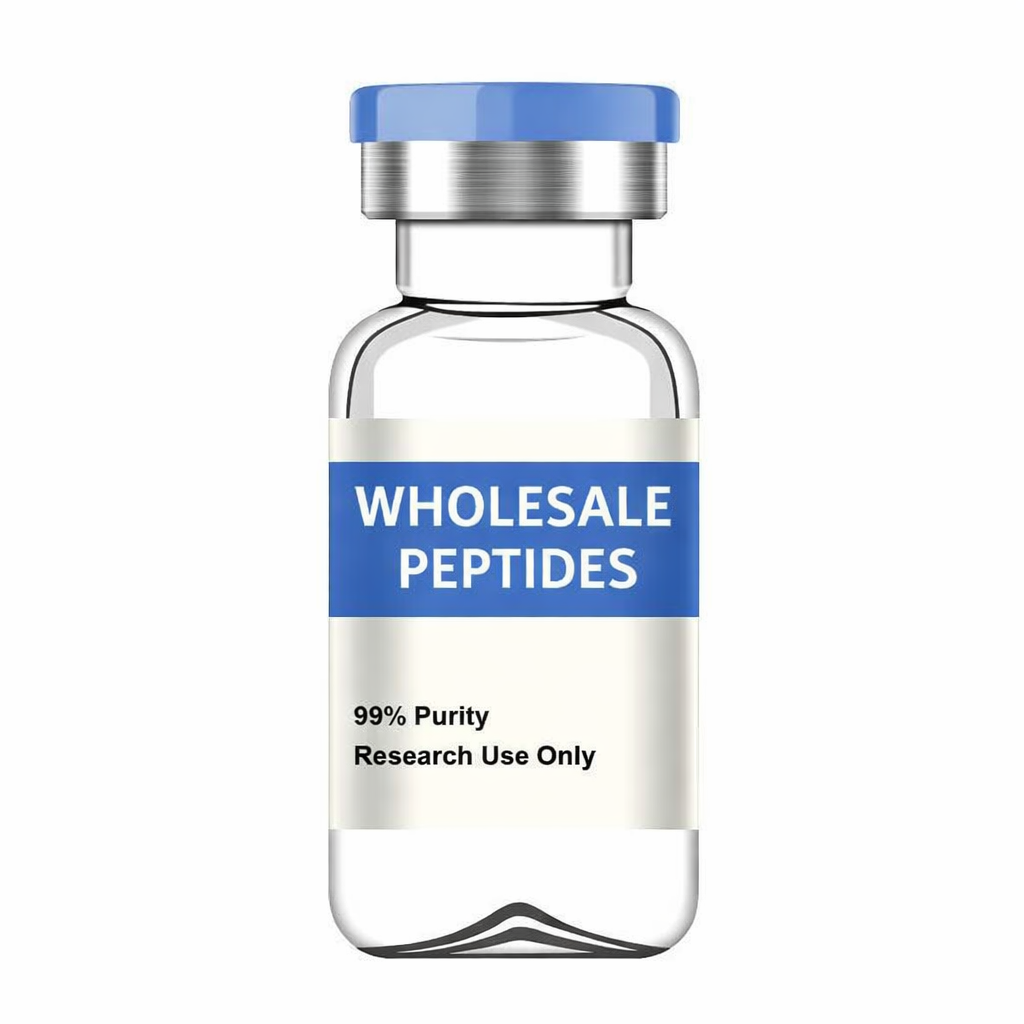
Semax x 10 Vials
Semax x 10 vials is a multi-vial research format containing Semax, a synthetic peptide studied in neuroscience, neurobiology, cognitive research, and cellular signalling. The compound has attracted scientific interest because of research examining its interaction with biological pathways associated with neuronal function and neurotrophic signalling.
This ten-vial format is intended for laboratories and researchers investigating peptide biology, molecular neuroscience, brain-related signalling pathways, and experimental models of cognitive function.
The scientific literature surrounding this compound includes investigations into neurotrophic factors, oxidative stress, inflammatory signalling, and mechanisms involved in neuronal adaptation. However, research findings should be interpreted carefully and should not automatically be considered evidence of an approved medical use.
What Is Semax?
Semax is a synthetic peptide developed from a fragment of adrenocorticotropic hormone (ACTH) and studied primarily within neuroscience and neurobiology.
Unlike full-length ACTH, the research compound is investigated independently of the complete hormonal activity associated with the parent molecule.
Research interest has developed around several biological areas, including:
- Neurobiology
- Cognitive research
- Neuronal signalling
- Neurotrophic pathways
- Oxidative-stress research
- Inflammatory signalling
- Brain-cell biology
- Molecular neuroscience
The compound has therefore become a subject of investigation in experimental neuroscience models.
Semax in Neuroscience Research
Semax is particularly relevant to researchers studying how peptides may influence biological signalling within the nervous system.
The nervous system relies on highly coordinated interactions between neurons, glial cells, neurotransmitters, receptors, and signalling proteins.
Experimental research can examine how peptide molecules interact with these systems under controlled conditions.
Areas of investigation include:
- Neuronal communication
- Cellular signalling
- Neuroplasticity research
- Neurotrophic mechanisms
- Brain-cell responses
- Molecular pathways
- Oxidative-stress models
These areas provide a broader scientific context for studying peptide-mediated effects within neuroscience.
Neurotrophic Research
Neurotrophic factors are signalling proteins that support the development, maintenance, and function of neurons.
One area of interest surrounding this peptide is its relationship with pathways involving brain-derived neurotrophic factor (BDNF) and other neurotrophic signalling systems.
BDNF is important in neuronal survival, synaptic function, learning-related processes, and neural plasticity.
Researchers can investigate these pathways using cellular and experimental models to understand how signalling molecules influence neuronal biology.
Cognitive Research
Cognitive neuroscience examines processes such as memory, learning, attention, and information processing.
Research involving experimental peptide compounds can help scientists investigate molecular pathways potentially associated with these processes.
Relevant research topics include:
- Memory-related signalling
- Learning mechanisms
- Synaptic communication
- Attention-related pathways
- Neuronal adaptation
- Neuroplasticity
These research areas should not be confused with claims that a research compound can improve cognitive performance in healthy individuals.
Oxidative-Stress Research
Oxidative stress occurs when the production of reactive molecules exceeds the ability of biological systems to maintain appropriate cellular balance.
Neurons are particularly interesting in oxidative-stress research because of their high metabolic activity and sensitivity to changes in cellular conditions.
Researchers may investigate peptide-related signalling in experimental models involving:
- Reactive oxygen species
- Cellular stress
- Mitochondrial activity
- Antioxidant pathways
- Neuronal integrity
- Cellular signalling
Such studies can help researchers understand how different molecular pathways interact under experimental conditions.
Inflammatory Signalling
Inflammatory signalling is another area of interest within neuroscience.
The nervous system contains specialised immune-related cells, including microglia, which participate in cellular responses within the brain.
Experimental research can examine relationships between peptide signalling and pathways associated with:
- Cytokines
- Microglial activity
- Cellular stress
- Neuroinflammatory pathways
- Immune-neural communication
These mechanisms remain an active area of scientific research.
Semax and Molecular Signalling
Peptides can interact with biological systems through multiple mechanisms, and the exact pathways involved may depend on the experimental model.
Researchers studying this compound may therefore examine:
- Gene-expression pathways
- Neurotrophic signalling
- Cellular stress responses
- Neuronal communication
- Protein signalling
- Neurotransmitter-related pathways
Mechanistic studies can provide useful scientific information without establishing a therapeutic effect.
Semax Research Applications
The compound may be of interest to laboratories working in several related disciplines.
Neuroscience
Research can investigate neuronal signalling and brain-cell biology.
Molecular Biology
Researchers can examine peptide-related molecular pathways and cellular responses.
Neuroplasticity Research
Experimental models can be used to investigate mechanisms associated with neuronal adaptation.
Cognitive Biology
Researchers can study molecular pathways associated with learning and memory.
Cellular Stress Research
Experimental systems can examine oxidative and inflammatory signalling.
Semax x 10 Vials Format
The ten-vial format is designed for researchers who require multiple individually packaged research samples.
The exact quantity contained in each vial should always be confirmed from the product label and batch documentation.
Potential advantages of an individual-vial format include:
- Easier laboratory organisation
- Individual sample identification
- Batch tracking
- Inventory management
- Controlled research allocation
- Convenient sample separation
Researchers should maintain appropriate records for each research material and batch.
Quality and Analytical Documentation
Quality is an important consideration when selecting research-grade peptides.
Researchers should review available information covering:
- Compound identity
- Peptide sequence
- Purity
- Batch number
- Certificate of analysis
- Analytical testing
- Packaging integrity
- Storage requirements
- Manufacturer information
A batch-specific certificate of analysis can be useful when maintaining laboratory records and comparing experimental results.
Storage Considerations
Peptide stability can be influenced by temperature, moisture, light, formulation, and handling conditions.
The manufacturer’s storage requirements should always take priority.
Researchers should consider protecting laboratory material from:
- Excessive heat
- Direct sunlight
- Moisture
- Contamination
- Unnecessary temperature fluctuations
The appropriate storage conditions depend on the specific formulation and packaging.
Research Evidence and Limitations
The scientific literature surrounding Semax includes experimental and clinical research, but evidence varies considerably depending on the research question and study design.
Laboratory findings can help explain molecular mechanisms, while animal and human studies provide different types of evidence.
It is therefore important not to present experimental findings as guaranteed health outcomes.
A responsible research description should distinguish between:
- Laboratory observations
- Animal research
- Human research
- Proposed mechanisms
- Established clinical evidence
This approach provides a more accurate representation of the available science.
Semax and Related Peptides
The compound may be discussed alongside other neuroscience-related peptides and experimental compounds.
However, similar research categories do not necessarily mean that different substances have the same mechanism or evidence base.
Researchers should compare compounds according to:
- Molecular structure
- Biological targets
- Research model
- Experimental purpose
- Published evidence
- Regulatory status
Accurate compound identification is essential when interpreting scientific literature.
Important Research Information
Research-grade peptide material should not automatically be considered an approved medicine.
Regulatory status can vary between countries and formulations. Researchers should consult applicable regulatory authorities and current scientific literature when evaluating the status of any peptide.
Product descriptions should therefore focus on the compound’s research characteristics rather than making therapeutic promises.
Frequently Asked Questions
What is Semax?
Semax is a synthetic peptide studied primarily in neuroscience, neurobiology, cognitive research, and cellular signalling.
What does Semax research focus on?
Research areas include neurotrophic signalling, neuronal biology, oxidative stress, inflammatory pathways, and cognitive-related mechanisms.
What is BDNF?
BDNF stands for brain-derived neurotrophic factor, a protein involved in neuronal survival, synaptic function, and neural plasticity.
Is this product intended for human use?
No. Research-grade material should be reserved for appropriate laboratory and educational applications.
How many vials are included?
The product format contains 10 individual vials.
What should researchers check before purchasing?
Researchers should review compound identity, purity, batch information, analytical documentation, packaging, labelled quantity, and storage requirements.
Can research results guarantee cognitive benefits?
No. Experimental findings do not guarantee a specific cognitive or medical outcome in humans.
Is Semax a peptide?
Yes. It is a synthetic peptide investigated in a variety of neuroscience and molecular biology research settings.
What areas of science study this compound?
Relevant disciplines include neuroscience, molecular biology, neurobiology, cellular signalling, and cognitive research.
Summary
Semax x 10 vials provides a multi-vial research format for laboratories investigating synthetic peptide biology.
Its scientific profile includes neuroscience, neurotrophic signalling, cognitive research, neuronal communication, oxidative-stress models, inflammatory signalling, and cellular biology.
Researchers evaluating this material should consider compound identity, purity, batch documentation, analytical testing, storage requirements, and the quality of the available scientific evidence.
Research Use Only. Not for human or veterinary consumption or self-administration.
semax,
se max,
semax nasal spray,
semax peptide,
peptides semax,
seemax peptide,
semax uk,
semax 20mg,
semax dosage,
semax peptide benefits.
| MG | 5MG, 10MG |
|---|
Related products
GLP-1 / Weight Loss
Longevity & Cellular Health
Longevity & Cellular Health
GLP-1 / Weight Loss
GLP-1 / Weight Loss
Longevity & Cellular Health
GLP-1 / Weight Loss
GLP-1 / Weight Loss