
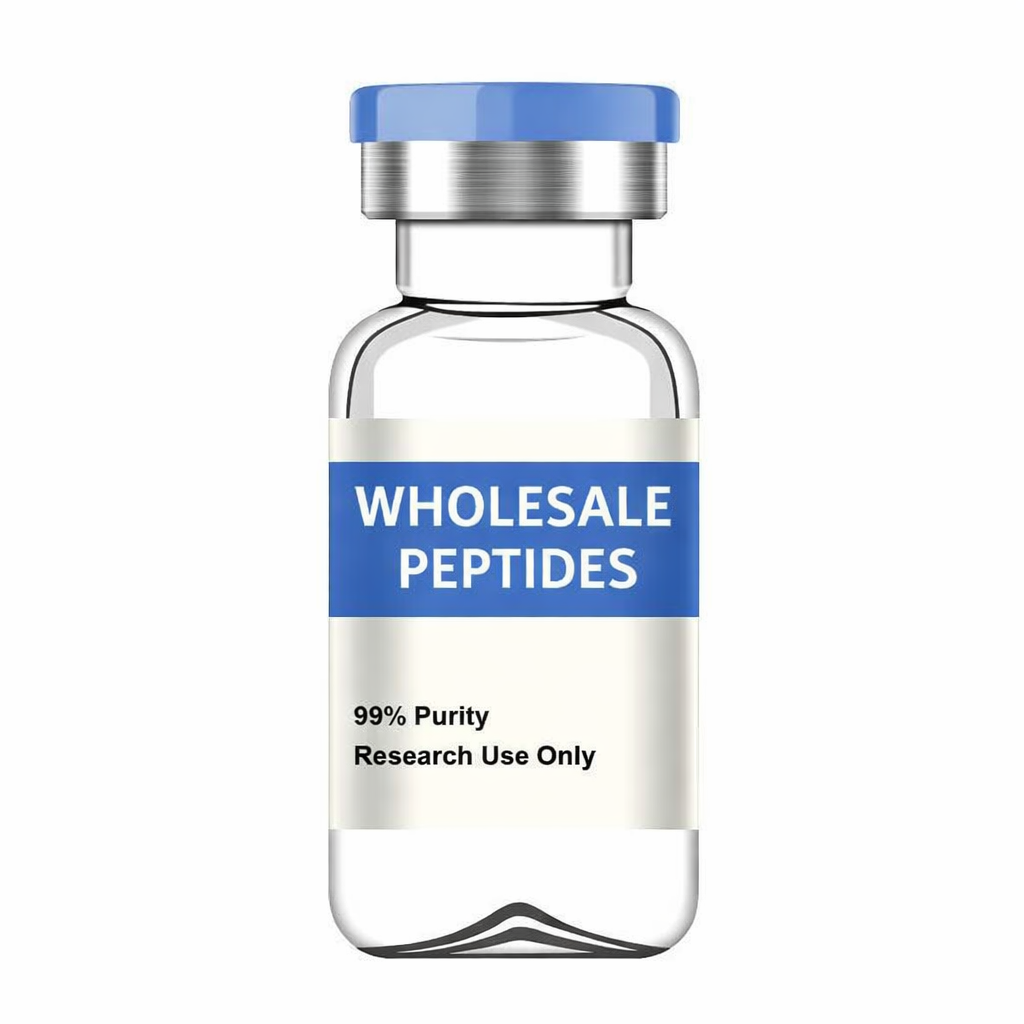

Epithalon 10mg/50mg x 10 Vials
Epithalon is a synthetic tetrapeptide studied primarily in ageing biology, cellular research, pineal biology, and molecular mechanisms associated with longevity. Also known as Epitalon or Epithalone, the peptide has attracted scientific interest because of research into cellular ageing, telomere biology, oxidative stress, and pineal-related signalling.
This multi-vial format is available in 10mg or 50mg per vial, with ten individual vials in each option. The 10mg format provides a total labelled quantity of 100mg, while the 50mg format provides 500mg across the ten-vial pack.
The material is intended for laboratory research and educational applications only.
What Is Epithalon?
Epithalon is a synthetic peptide consisting of four amino acids. It is associated with research into the biological activity of peptides derived from or related to the pineal gland.
The compound has been investigated in several areas of experimental biology, including:
- Cellular ageing
- Telomere research
- Pineal biology
- Oxidative-stress research
- Gene-expression studies
- Cellular signalling
- Longevity research
- Molecular biology
Its short peptide structure makes it an interesting subject for laboratories investigating peptide-mediated biological processes.
Epithalon in Ageing Research
Epithalon is particularly associated with experimental research into biological ageing.
Ageing is a complex process involving changes in DNA, cellular metabolism, mitochondrial activity, protein regulation, oxidative balance, and cellular repair mechanisms.
Researchers studying peptide biology may investigate whether specific signalling pathways change during cellular ageing and how experimental compounds interact with these pathways.
Relevant areas include:
- Cellular senescence
- Telomere biology
- Oxidative stress
- Gene regulation
- DNA-related research
- Cellular metabolism
- Longevity pathways
These areas remain active fields of scientific investigation.
Telomere Research
Telomeres are protective structures located at the ends of chromosomes.
They help protect chromosome ends during cell division. Telomere length and maintenance have therefore become important subjects within cellular ageing research.
Scientists investigate telomere biology to better understand:
- Cellular replication
- Chromosome stability
- Cellular senescence
- DNA maintenance
- Age-associated cellular changes
Research involving this peptide has generated interest in possible relationships between peptide signalling and telomere-related mechanisms.
However, laboratory observations should not be interpreted as proof that a research product can extend human lifespan or reverse ageing.
Pineal Biology
The pineal gland is a small endocrine structure located within the brain.
It is best known for its role in producing melatonin, a hormone involved in sleep-wake regulation and circadian biology.
Historical research into pineal-derived peptides contributed to interest in compounds associated with pineal function.
This provides an important biological background for studying synthetic tetrapeptides connected with pineal research.
Oxidative-Stress Research
Oxidative stress occurs when reactive molecules and the body’s protective systems become imbalanced.
Because oxidative processes are associated with cellular damage and ageing biology, researchers frequently investigate them when studying longevity-related mechanisms.
Experimental studies can examine:
- Reactive oxygen species
- Antioxidant pathways
- Cellular stress
- Oxidative damage
- Mitochondrial function
- Cellular adaptation
Research into antioxidant and stress-response pathways can provide useful information about how cells respond to changing biological conditions.
Cellular Senescence Research
Cellular senescence describes a state in which cells permanently stop dividing while remaining metabolically active.
Senescent cells are an important area of ageing research because their accumulation is associated with changes in tissue biology and cellular communication.
Researchers investigate senescence through markers involving:
- Cell-cycle regulation
- Gene expression
- Inflammatory signalling
- DNA damage responses
- Cellular metabolism
Experimental peptide research may contribute to broader investigations into these biological pathways.
Epithalon and Cellular Signalling
Peptides can participate in complex molecular signalling systems.
Research can investigate how short peptide molecules interact with cellular pathways involved in:
- Gene expression
- Cellular stress
- Metabolism
- DNA-related mechanisms
- Protein regulation
- Ageing biology
The exact biological activity observed can depend heavily on the experimental model and research conditions.
For this reason, proposed mechanisms should be distinguished from established clinical effects.
Longevity Research
Longevity research examines the biological mechanisms that influence lifespan and healthspan.
Scientists study many interconnected pathways, including:
- Cellular senescence
- Telomere maintenance
- Mitochondrial function
- Oxidative stress
- DNA repair
- Metabolic regulation
- Cellular signalling
Epithalon is one of many experimental compounds investigated within this broader field.
Interest in longevity research should not be confused with evidence that an experimental peptide is an approved anti-ageing therapy.
Epithalon 10mg/50mg x 10 Vials Format
This product is available in two labelled quantity options:
| Option | Number of vials | Quantity per vial | Total labelled quantity |
|---|---|---|---|
| 10mg | 10 | 10mg | 100mg |
| 50mg | 10 | 50mg | 500mg |
Individual vial packaging can assist with:
- Laboratory organisation
- Sample identification
- Inventory management
- Batch tracking
- Experimental planning
- Research material separation
Researchers should confirm the exact product specification using the label and batch documentation.
Peptide Quality and Documentation
Quality control is essential when working with research-grade peptides.
Researchers should consider reviewing:
- Compound identity
- Amino acid sequence
- Purity
- Batch number
- Certificate of analysis
- Analytical testing
- Labelled quantity
- Packaging integrity
- Storage requirements
A batch-specific certificate of analysis can improve traceability and help laboratories maintain reliable research records.
Storage Considerations
Peptide stability can be affected by environmental factors such as temperature, moisture, light, formulation, and handling.
The supplier’s storage instructions should always take priority.
General laboratory considerations include protecting research material from:
- Excessive heat
- Direct sunlight
- Moisture
- Contamination
- Unnecessary temperature fluctuations
Storage requirements can vary according to formulation and packaging.
Research Evidence and Limitations
Research surrounding longevity-related peptides should be interpreted carefully.
Evidence may come from different experimental models, including laboratory studies, animal research, and other biological investigations.
These models can provide useful information about molecular mechanisms but cannot automatically establish a clinical benefit in humans.
Researchers should distinguish between:
- Laboratory findings
- Animal research
- Human studies
- Proposed mechanisms
- Observational evidence
- Established clinical applications
This is especially important when evaluating claims relating to ageing or lifespan.
Related Longevity Research
Ageing biology includes many interconnected research fields.
Researchers may investigate compounds and pathways involving:
- Telomere biology
- Mitochondrial function
- Cellular senescence
- NAD-related metabolism
- Oxidative stress
- Autophagy
- DNA repair
- Gene regulation
- Cellular signalling
No single experimental pathway explains the entire ageing process.
Research Applications
The material may be relevant to laboratories studying:
- Ageing biology
- Cellular senescence
- Telomere research
- Pineal biology
- Molecular biology
- Oxidative stress
- Cellular signalling
- Longevity research
- Peptide chemistry
The appropriate application depends on the laboratory’s experimental model and research objectives.
Important Research Information
Research-grade material should not automatically be considered an approved medicine, supplement, or anti-ageing treatment.
Regulatory requirements vary between jurisdictions and may depend on the formulation and intended use.
Researchers should consult applicable regulatory authorities and current scientific literature when assessing experimental compounds.
Product descriptions should focus on research characteristics and established scientific information rather than unsupported health or longevity claims.
Frequently Asked Questions
What is Epithalon?
Epithalon is a synthetic tetrapeptide studied in ageing biology, pineal research, telomere biology, cellular signalling, and longevity research.
Is Epithalon the same as Epitalon?
The names Epithalon and Epitalon are commonly used to refer to the same tetrapeptide research compound.
What are the available quantities?
The product is available in either 10mg or 50mg per vial, with ten vials in each option.
How much is in the 10mg format?
Ten 10mg vials provide a total labelled quantity of 100mg.
How much is in the 50mg format?
Ten 50mg vials provide a total labelled quantity of 500mg.
What is it researched for?
Research areas include ageing biology, telomere research, pineal biology, cellular senescence, oxidative stress, and molecular signalling.
What are telomeres?
Telomeres are protective structures at the ends of chromosomes that help maintain chromosome stability during cellular replication.
Is this an anti-ageing treatment?
No. Although the compound is studied in ageing and longevity research, experimental research should not be presented as proof of an anti-ageing treatment.
What should researchers check before using the material?
Researchers should consider compound identity, purity, batch information, analytical documentation, labelled quantity, packaging, and storage requirements.
Is this product intended for human use?
No. Research-grade material should be reserved for appropriate laboratory and educational research.
Summary
Epithalon 10mg/50mg x 10 vials provides a multi-vial research format containing either 10mg or 50mg of labelled material per vial.
Its research profile includes ageing biology, telomere research, pineal biology, cellular senescence, oxidative stress, cellular signalling, and longevity research.
The compound is particularly interesting to researchers studying the molecular mechanisms associated with cellular ageing and biological longevity.
Research Use Only. Not for human or veterinary consumption or self-administration.
| MG | 10MG, 50MG |
|---|
Related products
Longevity & Cellular Health
GLP-1 / Weight Loss
Longevity & Cellular Health
GLP-1 / Weight Loss
GLP-1 / Weight Loss
Performance & Muscle Building
GLP-1 / Weight Loss
Performance & Muscle Building