
MY BLOG POST
Reta Weight Loss: Understanding Retatrutide Dosage Per Week
Sep
Introduction
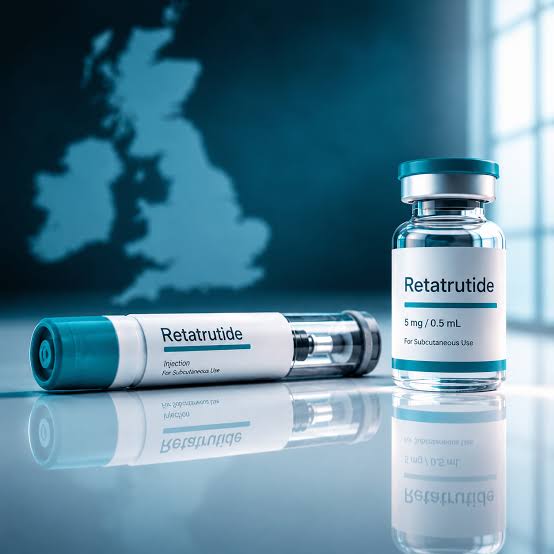
Reta is a commonly used short name for retatrutide, an investigational compound that has attracted significant attention in metabolic and obesity research. Scientists are studying this molecule because it interacts with three important hormone pathways: GIP, GLP-1 and glucagon.
Early clinical research has produced notable reductions in body weight, which has led to considerable interest in its potential role in future weight-management treatments.
However, retatrutide remains an investigational compound and should not be confused with an approved prescription medicine.
Important: This article is provided for educational and research purposes. It does not provide a personal dosing plan or medical advice.
What Is Reta?
Reta is an informal abbreviation for retatrutide, also known as LY3437943.
Retatrutide is being investigated as a triple receptor agonist. Rather than targeting only one metabolic pathway, it interacts with:
- GIP
- GLP-1
- Glucagon
Each pathway has a different biological role. GIP and GLP-1 are involved in metabolic and appetite-related signalling, while glucagon is involved in energy metabolism.
Researchers are investigating whether combining these activities in one molecule can produce meaningful changes in body weight and other metabolic measures.
How Does Retatrutide Work?
The mechanism behind retatrutide is one of the main reasons it has generated interest among researchers.
GLP-1 receptor activity is associated with appetite regulation and gastrointestinal processes. GIP is involved in glucose and energy metabolism, while glucagon plays an important role in regulating energy availability.
By activating all three receptors, scientists are studying whether the combined effect can influence:
- Appetite
- Food intake
- Energy expenditure
- Glucose regulation
- Body weight
- Metabolic health
The objective is not simply to study weight reduction, but to understand how these interconnected biological pathways influence overall metabolic function.
Weight Loss Research
Interest in this compound has increased because clinical trials have reported substantial average reductions in body weight.
In an earlier Phase 2 study, researchers evaluated several doses over a 48-week period. The results showed a dose-dependent pattern, with higher study doses generally associated with greater average reductions.
Reported average changes included:
| Study dose | Average weight change at 48 weeks |
|---|---|
| 1 mg | −8.7% |
| 4 mg | −17.1% |
| 8 mg | −22.8% |
| 12 mg | −24.2% |
| Placebo | −2.1% |
These numbers represent results from a clinical research population. They should not be interpreted as a prediction of what an individual person will experience.
Later Phase 3 research has continued to examine different target amounts and longer treatment periods, producing additional promising results.
Weekly Administration in Clinical Research
One of the most frequently searched topics surrounding retatrutide is how often it has been administered during studies.
Clinical trials have investigated the compound as a once-weekly subcutaneous administration.
The use of a weekly schedule allows researchers to evaluate sustained exposure while monitoring changes over an extended period.
Researchers may assess:
- Body weight
- Waist circumference
- Blood glucose
- Appetite
- Metabolic markers
- Tolerability
- Adverse events
- Long-term safety
It is important to distinguish the research protocol from an approved treatment schedule.

Understanding Study Dose Escalation
Clinical research does not necessarily begin participants at the highest amount being investigated.
In several studies, participants started with a lower amount before progressing toward their assigned target. This allows researchers to monitor tolerability and observe how participants respond as exposure increases.
Phase 2 research investigated final study amounts including 1 mg, 4 mg, 8 mg and 12 mg.
Later Phase 3 research has investigated target amounts including 4 mg, 9 mg and 12 mg.
These figures describe clinical-study protocols only. They should not be treated as instructions for personal use.
Why Is Gradual Escalation Studied?
Gastrointestinal effects have been among the more commonly reported adverse events in clinical studies.
Researchers therefore pay close attention to tolerability when evaluating different amounts.
Reported gastrointestinal symptoms have included:
- Nausea
- Diarrhea
- Vomiting
- Constipation
- Reduced appetite
- Other digestive symptoms
The occurrence and severity of these effects can vary between individuals.
Clinical trials are designed to monitor these responses systematically rather than assuming that everyone will react in the same way.
What Has Research Shown About Weight Reduction?
The results so far have generated significant scientific interest.
Earlier research found that participants receiving higher studied amounts generally experienced greater average reductions in body weight compared with placebo.
More recent Phase 3 findings have continued to show substantial reductions over longer periods.
For example, the TRIUMPH-1 study reported average reductions at 80 weeks of approximately:
- 19.0% for the 4 mg target group
- 25.9% for the 9 mg target group
- 28.3% for the 12 mg target group
Again, these are clinical-study averages rather than expected individual outcomes.
Weight changes can differ considerably between participants because of factors such as starting weight, diet, activity levels, metabolic health and treatment response.
Appetite and Metabolic Research
Researchers are also interested in how the compound may influence appetite and energy balance.
GLP-1 and GIP signalling are important areas of metabolic research, while glucagon contributes to energy regulation.
The combination provides scientists with an opportunity to study several pathways simultaneously.
This triple-action mechanism is one of the characteristics that separates retatrutide from many earlier approaches that focused primarily on a single receptor pathway.
Is Reta Approved?
No.
Retatrutide remains an investigational medicine and has not been approved for routine consumer treatment.
Clinical development is continuing, with researchers examining its potential applications in obesity and other metabolic conditions.
This means information found online about amounts, schedules or expected results should always be considered in the context of clinical research.
Regulatory status can also change as new clinical evidence becomes available.
Research Products and Quality Considerations
Researchers interested in peptide compounds should pay close attention to product identity, documentation and quality information.
A product labelled with a particular compound name does not automatically demonstrate that the material contains the stated ingredient or concentration.
For laboratory research, useful documentation may include:
- Product identification
- Purity information
- Batch information
- Laboratory testing
- Storage information
- Research-use labelling
- Manufacturer documentation
Research compounds should always be handled according to appropriate laboratory procedures and applicable regulations.

Reta vs Other Weight-Management Research
One reason researchers are interested in Reta is its triple-receptor mechanism.
Many existing metabolic treatments focus primarily on one pathway, while some newer medicines target two.
Retatrutide is being investigated because it combines GIP, GLP-1 and glucagon activity within a single molecule.
This makes it an interesting subject for researchers studying:
- Obesity
- Appetite regulation
- Metabolic signalling
- Glucose control
- Energy metabolism
- Body composition
However, a novel mechanism does not automatically mean that a compound is suitable for human use. Regulatory approval and long-term safety evaluation remain important.
Frequently Asked Questions
What does Reta mean?
Reta is a commonly used abbreviation for retatrutide, an investigational triple-receptor agonist being studied for metabolic and weight-management applications.
What is retatrutide?
Retatrutide is an investigational compound designed to activate GIP, GLP-1 and glucagon receptors.
How often has it been studied?
Clinical research has investigated once-weekly administration.
What amounts have researchers studied?
Different clinical trials have investigated several amounts. Phase 2 research included 1 mg, 4 mg, 8 mg and 12 mg, while later Phase 3 studies have examined target amounts including 4 mg, 9 mg and 12 mg.
These are research protocols rather than personal treatment recommendations.
Why are different amounts being studied?
Different study groups allow researchers to evaluate the relationship between exposure, effectiveness and tolerability.
Can clinical-trial results predict my weight loss?
No. Trial averages cannot predict the response of a particular individual.
Is retatrutide currently an approved weight-loss medicine?
No. It remains investigational and has not been approved for routine consumer use.
What are the reported side effects?
Clinical research has reported gastrointestinal symptoms including nausea, diarrhea, vomiting and constipation. Researchers are also monitoring other physiological effects and long-term safety.
Final Thoughts
Reta has become an important subject in modern metabolic research because of its distinctive triple-receptor activity.
Clinical studies have reported substantial average reductions in body weight, while ongoing research continues to examine effectiveness, tolerability and long-term safety.
For researchers and readers following developments in this area, it is important to separate clinical-trial findings from approved medical treatment.
TheWholesalePeptides.co.uk can provide educational information about research compounds, but readers should always consider current regulatory requirements and scientific evidence before making decisions involving investigational substances.
Research use only. Not for human consumption. This content is provided for educational and research purposes and is not medical advice.
where can i buy retatrutide online,
buying retatrutide,
reta pen,
reta peptides,
reta shaw,
retatrutide buy uk,
retatrutide buying,
retatrutide injection,
retatrutide pens,
retatrutide peptide buy.